250 trees planted as San Juan Capistrano's new 2-acre farm opens
The La Novia Farm project, funded by a $265,000 state allocation, began operations with a diverse harvest of heirloom produce and a ceremony honoring local tribal history.
By Kwame Barrett ·
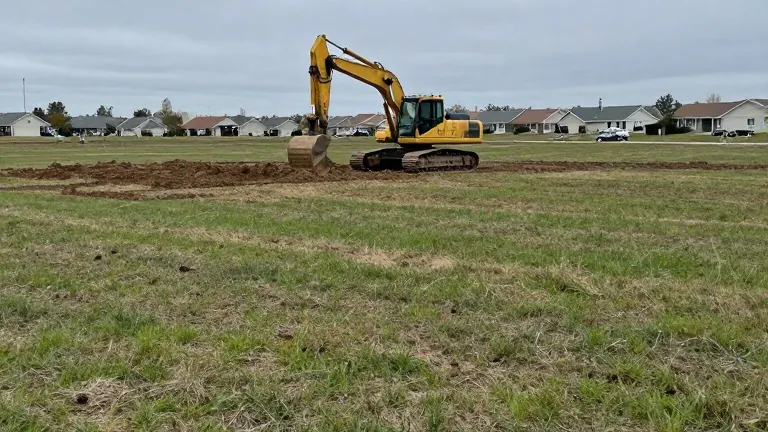
On Wednesday, the La Novia Farm officially opened its gates in San Juan Capistrano, revealing 250 newly planted trees and a first harvest of heirloom vegetables. The two-acre site, located at St. Margaret’s Episcopal School, transitioned from undeveloped city-owned land to a working organic farm in under a year. Local tribe leader Adelia Sandoval offered a blessing and acknowledged the Acjachemen people during the opening ceremony.
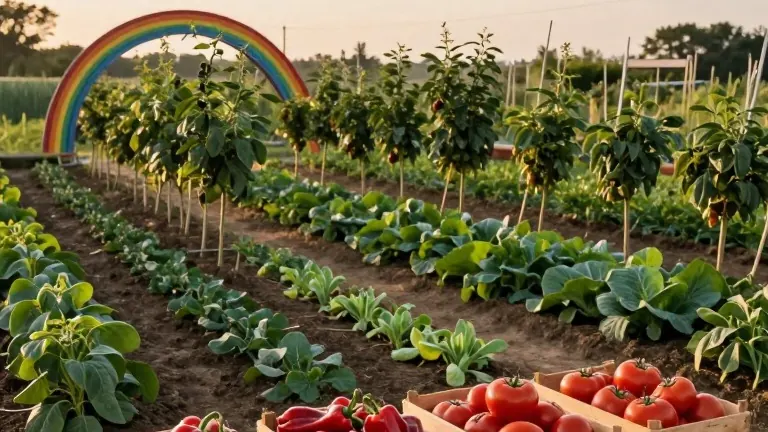
The farm represents a partnership between the city of San Juan Capistrano, the Ecology Center, and St. Margaret’s Episcopal School. Sen. Catherine S. Blakespear secured $265,000 in the 2025 state budget to fund the project. Evan Marks, founder of the Ecology Center, noted that the summer planting included a diverse mix of culinary heirloom tomatoes and chili peppers. He identified Padrón and Jimmy Nardello peppers as his favorites from the abundant yield.
Preparation for the harvest involved applying organic compost and maintaining cover crops for several seasons before installing an irrigation system. The site now features native trees, stone fruit, citrus, and avocados, along with rainbow arches built over the main walkway. Zack Schuman, the farm manager, led students and local leaders in planting fava beans and chickpeas. Participants distributed dried beans from large buckets into pre-dug furrows in the soil.
Mayor John Campbell described the transformation of the parcel, which previously served no specific community function. He stated that the site now allows students and residents to engage directly with food production. Dr. Jeneen Graham, head of school at St. Margaret’s, emphasized the educational goals of the farm. She said the institution is making a commitment to experiential learning, allowing students to connect classroom material with the natural world.
Graham explained that the farm serves both science education and spiritual practice. Students visit the site to practice breathing exercises and to understand their connection to the land. The school views the location as sacred, using it to teach students about local history and identity. The farm is also intended to serve as a model for other local institutions seeking to create similar regenerative spaces.
Produce from the first harvest was sent to the Ecology Center farm stand and local farmers markets. Marks said the team is now shifting focus to production for the St. Margaret’s cafeteria and other community channels. As the warm weather ends, half of the farm will return to cover cropping, while the remaining area will be planted with cool season crops. Radishes, carrots, peas, and legumes are expected to emerge from the soil in the coming weeks.
Source: Daily Pilot