Hebron Displacement: 407 Households Evacuated After Friday Attack
Military officials have not set a timeline for residents to return to their homes following the introduction of new checkpoints.
By Enzo Almasi ·
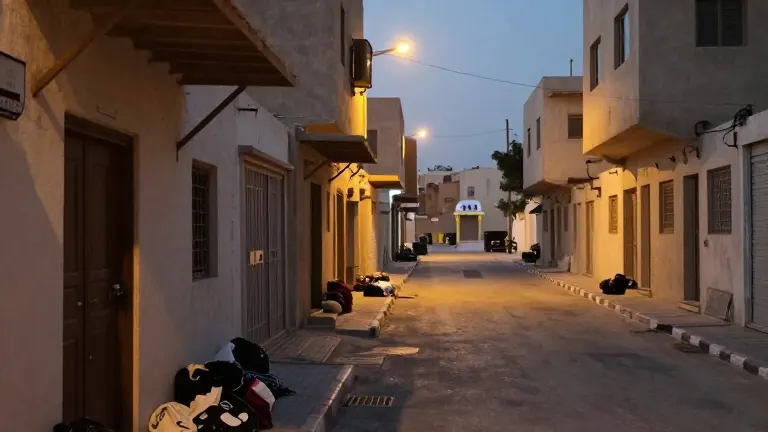
The Israeli military evacuated 407 households in Hebron this week, displacing a total of 2,649 residents. Riad Khamis, the spokesperson for the city’s Support and Relief Committee, stated on Monday that the operation followed a terror attack on Friday. The attackers, Ahmad and Hamouda Al-Jabar from the Ein Deir Bahha neighborhood, killed two Israeli soldiers and wounded others before the military established new checkpoints and ordered evacuations in several areas.
The affected zones included Ein Deir Bahha, Al-Jilda, Khillet Al-Magharbeh, and Farsh Al-Hawa. The displaced population includes 1,109 children under the age of 18. Among these minors, 180 are under two years old. The group also includes 218 elderly residents, 115 pregnant or postpartum women, 28 people with disabilities, and 162 individuals living with chronic illnesses.
Khamis reported that 168 households currently lack safe accommodation. He noted that some families were forced to spend the night outdoors, while others face overcrowded conditions when staying with relatives. The committee identified specific needs among the displaced: 231 households require food supplies, 129 need medicines, 107 need baby formula and diapers, and 126 require shelter. Additional requests have been made for clothing, mattresses, blankets, and psychological support.
Milena Ansari, director of the Palestinian Territory Department of Physicians for Human Rights Israel, warned that the disruption poses risks to those with chronic conditions. She cited diabetes, hypertension, kidney disease, and cancer as conditions that depend on regular treatment. Ansari explained that arbitrary closures interrupt care and separate patients from their medications, doctors, and medical records. She added that the approaching winter increases the risk of routine conditions becoming emergencies.
Families described the evacuation process as rushed and unclear. Khamis said the military provided limited time to pack and issued no direct communication beyond notices demanding departure. Residents received no information regarding the duration of the operation or guarantees of return. He stated that the military did not establish specific arrangements to facilitate the evacuation of elderly, disabled, or sick residents.
The IDF has not responded to a request for comment regarding the allegations of inadequate preparation time and lack of clarity on return dates. The military action remains in effect, with new checkpoints controlling access to the evacuated neighborhoods.
Source: The Jerusalem Post