Huntington Beach freesia garden wiped out by relentless nocturnal rodents
A reader reports that urban wildlife has decimated her flower beds, with rats chewing stems to sharpen their teeth and squirrels eating the underground storage organs.
By Enzo Almasi ·
Dena, a resident of Huntington Beach, reports that her established freesia garden has suffered severe losses to urban wildlife over the past two years. The damage has forced her to relocate surviving plants to containers in her backyard, where new forms of destruction have emerged. Her experience reflects a growing trend in Southern California, where shrinking habitats have pushed animals into residential areas.
Dena planted a variety of freesia corms approximately 40 years ago, cultivating them in poor soil without fertilizer or mulch. The plants self-sowed and cross-pollinated, creating hybrid colors that included pale yellow, purple, lavender, and orange. For decades, the garden thrived despite minimal care. Two years ago, the population of local animals changed the dynamic.
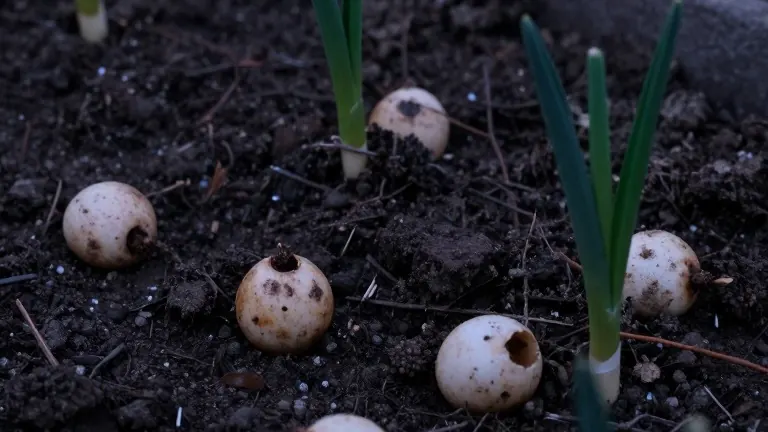
During the day, a squirrel decimated the front yard corms. At night, rats, opossums, raccoons, and possibly skunks stripped out entire sections of the bed. Hundreds of corms were eaten, while smaller ones were dug up and bitten in half. Dena moved the remaining survivors into pots in her backyard to protect them from ground-dwelling predators.
The relocation did not stop the damage. Last year, a nightly visitor cut down the freesia shoots without consuming the plants. The stems were severed with exactly half an inch of growth left protruding from the soil. The plants spent weeks regenerating only to be cut again. This cycle repeated throughout the growing season, draining the energy of the mature corms until they were nearly spent.
The culprit is the rat. Rats have incisor teeth that grow continuously throughout their lives. These teeth require constant sharpening to prevent them from curling into the animal's jaw or skull. Crisp plant shoots provide the necessary resistance to file down the teeth. Dena notes that this behavior is similar to how rats consume lemon peels, swallowing the rind but leaving the pulp intact.
Dena has developed a specific remedy for the rat problem. She uses a standard rat trap with a piece of Slim Jim meat stick, approximately half to three-quarters of an inch long, still in its wrapper. The wrapper is attached to the bait hook or trigger loop. She describes this method as foolproof based on years of experience.
The increase in urban wildlife is linked to recent droughts and fires that have reduced natural habitats. Animals that once lived in hills and canyons are now seeking refuge in human surroundings. A large skunk was observed in a west Los Angeles backyard during the middle of the day last week, an unusual occurrence for a nocturnal animal. Squirrels have also become bold, with one named Seymour frequently visiting a front yard and even entering a living room before being chased out with a broom. These are eastern fox squirrels, which were introduced to Los Angeles by Civil War veterans who brought them as pets.
Source: Inland Valley Daily Bulletin