
NFL CTE Study: New Data Suggests 75% of Late Players Showed Signs
Boston University researchers adjusted for selection bias to estimate that nearly three-quarters of deceased former NFL players had chronic traumatic encephalopathy.
By Enzo Almasi ·
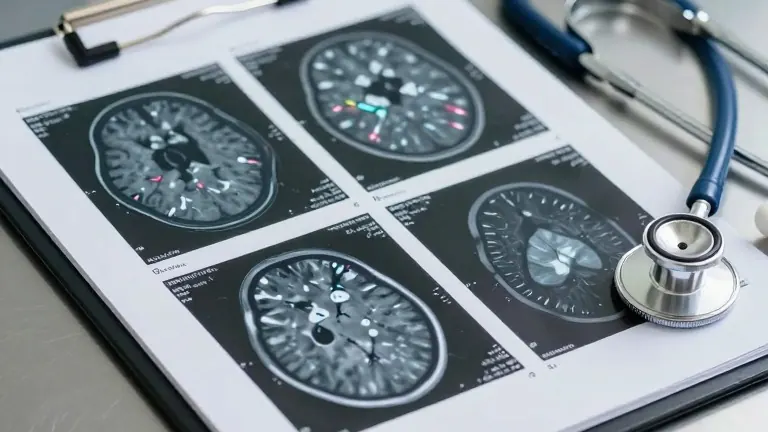
A conflict exists between the raw number of former NFL players found with chronic traumatic encephalopathy and the reality that only a fraction of the dead donated their brains. A new study published in JAMA Network Open estimates that 74.5% of former players who died between 2008 and 2023 showed signs of CTE. This figure arrives after earlier data in The British Medical Journal suggested a rate as high as 98% for a smaller group of players who died between 2016 and 2021. The new analysis attempts to correct for the fact that players with cognitive symptoms are more likely to donate their brains.
The Boston University team examined 387 brains donated by former players who died over the 15-year period. These donors represented a subset of the 2,362 former NFL players who died in that span. The researchers determined that 94% of the donors had some form of CTE. To arrive at the 74.5% estimate, the team calculated that players with cognitive symptoms were five times more likely to donate their brains than players without such symptoms. This adjustment accounts for the selection bias inherent in post-mortem studies where diagnosis is possible only after death.
Experts warn that the findings apply strictly to deceased athletes and do not directly predict the health of current players. Dr. Kristen Dams-O'Connor, director of the Brain Injury Research Center at Mount Sinai, stated that the results cannot be interpreted as representative of living athletes. She noted that many players in the study ended their careers decades ago, long before the NFL implemented rule changes to reduce concussions and introduced more protective equipment. Dams-O'Connor argued that these modern changes should translate to a lower risk for recent generations of players.
The NFL responded to the report by saying the league continuously strives to make the game safer. However, medical professionals emphasized that the data still points to a need for better understanding of the condition. Dr. Jon LaPook, CBS News chief medical correspondent, cautioned that the 74.5% figure may be an overestimate because it measures brain tissue changes rather than actual clinical symptoms experienced by the players during their lives.
Other specialists see the study as a baseline for future research. Dr. Jeremy Tanner of the UT San Antonio Health Science Center described the work as helpful. He noted that even with selection bias considered, the rate of 20% to 25% is eye-opening and shows the need to advance research. Tanner and Dr. Jay Alberts, director of the Cleveland Clinic Concussion Center, highlighted ongoing efforts to find biomarkers that could detect CTE in living patients.
Alberts suggested that researchers look for early warning signs in instrumental activities of daily living, such as driving or balancing a checkbook. In diseases like Alzheimer's and Parkinson's, these functions change five to seven years before a diagnosis, and CTE may follow a similar pattern. Better early detection could lead to interventions that slow or potentially reverse the disease. Ongoing studies, including one at UT Health San Antonio, are tracking current and former players over their lifetimes to identify these markers.
The study does not apply to the general population, where CTE is rarely seen, nor to players in youth or non-professional contact sports. It specifically addresses the subset of the roughly 20,000 NFL players who may have died in the period but did not donate brains. The work serves as a data point in the long-term assessment of head trauma risks in professional football.
Source: CBS News
More News · National news · Report a business · Got a Story?