Qatar Seeks Military Independence by 2031
A new five-year strategy aims to reduce Doha's reliance on US forces through integrated air defenses and diversified alliances.
By Enzo Almasi ·
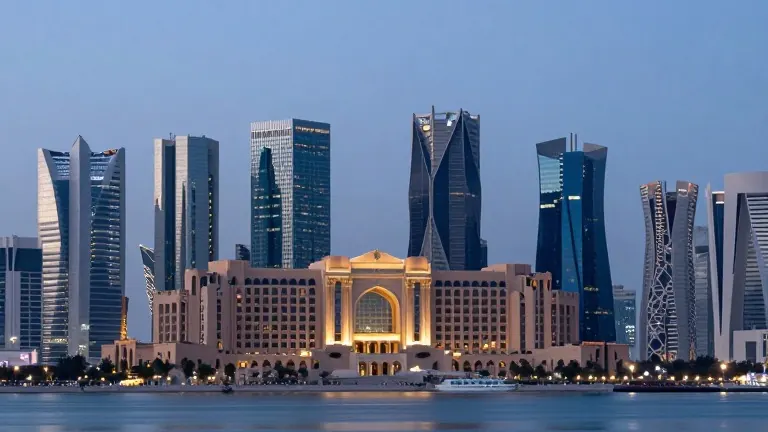
Recent security shifts in the Gulf have forced Doha to rethink its defense posture. Qatar intends to build a national defense capability that allows it to protect its vital interests even if external support is limited or absent.
The plan targets a 2031 deadline for achieving what officials call defense autonomy. This goal does not mean isolation. Instead, Qatar seeks to maintain open alliances while ensuring its security is not dependent on the decisions of a single external state. The strategy acknowledges that while Qatar has financial resources and a major US military base, its small size and critical infrastructure make it vulnerable without independent capabilities.
The first priority is closing the gap in air and missile defense. The objective is to create an integrated national shield that functions without US forces. This includes a multilayered radar network, a unified command center, and expanded counter-drone capabilities. The system will also feature low-cost interception tools for small targets and large national stockpiles of ammunition to ensure sustained operations.
Second, the air force must become self-sustaining. The focus is not on the number of aircraft but on the ability to sustain operations for weeks if supply lines are disrupted. Qatar plans to increase domestic defense manufacturing, train more local maintenance personnel, and build up dispersed ammunition stockpiles. The strategy also includes developing ground and aerial refueling capabilities to extend the range and endurance of its fleet.
Maritime security forms the third pillar of the strategy. As a peninsula economy dependent on energy exports, Qatar needs a naval force that makes attacks on its ports and shipping routes costly. The plan calls for improved maritime surveillance, stronger anti-drone capabilities, and enhanced protection for offshore installations. This ensures the continuity of liquefied natural gas and oil flows.
A national resilience program will protect critical infrastructure such as desalination plants, power stations, and data centers. The goal is to ensure that every sector has backup capacity to prevent a single failure from becoming a national crisis. Additionally, Qatar aims to build independent intelligence capabilities in space-based reconnaissance and electronic intelligence. This allows Doha to detect threats early without waiting for information from partners like the US or France.
The strategy also calls for diversifying security guarantees beyond the United States. While maintaining cooperation with Washington, Qatar will seek partnerships with South Korea, Turkiye, and European powers. This approach aims to reduce the risks associated with relying on a single ally. The final objective is a state that can withstand a prolonged crisis and keep its political and economic activities functioning without external rescue.
Source: Al Jazeera