Homeowners find new uses for unpaired socks before tossing them
Three practical methods allow residents to repurpose odd socks for cleaning, heat therapy, and odor control.
By Kwame Barrett ·
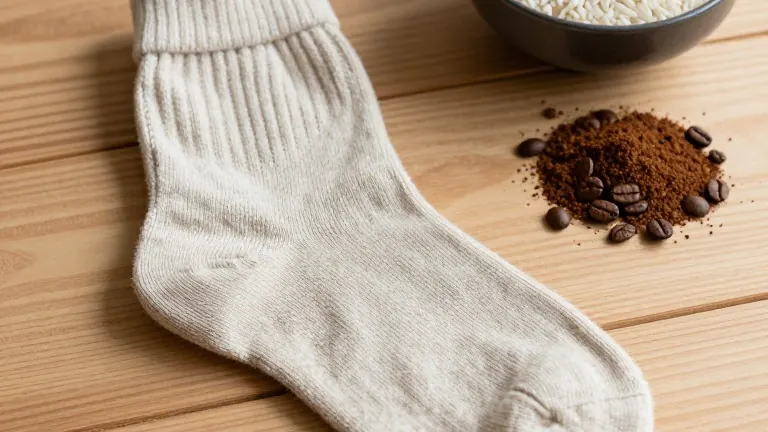
Households looking to reduce waste can repurpose unpaired socks for cleaning and comfort tasks. The practice offers a low-cost alternative to buying specialized products. This approach aligns with zero waste goals while saving money. Residents should consider these methods before discarding old or mismatched items during closet cleanouts.
The first use involves creating a magnetic cleaning glove. Users slide their hand into the sock, treating it like a mitten. They spray the fabric with a vinegar or water-based cleaner. Then, they rub their fingers directly across window blinds, houseplant leaves, lamps, or electronic screens. The knit fabric traps dust and lint through static friction. This method is more efficient than standard cloths. The sock remains reusable after a machine wash.
The second application creates a homemade thermal compress. Users select a clean, long sock in good condition. They fill three-quarters of the length with raw rice, beans, or coarse salt. For a relaxing scent, they add dried lavender flowers or a few drops of essential oil. They secure the top end with a slip knot or sew it closed with needle and thread. This creates a reusable heat pack.
The third use turns the sock into an air freshener and deodorizer. Users place a handful of dry ground coffee, laundry pearls, or three tablespoons of baking soda into the open end. They tie the opening with a colorful ribbon or an old hair tie. They hang the bundle on a hook inside a closet or place it directly inside running shoes overnight. This setup absorbs odors from the enclosed space.
The source notes that mismatched socks often result from laundry cycles where one item disappears. This common household mystery leads many people to discard the remaining item. Repurposing extends the life of the textile. It also reduces the volume of small garments sent to landfills. These three specific techniques provide immediate, tangible benefits for the home.
Source: XHJK-TDT