Professional Organizer Outlines System for Managing Personal Paper Clutter
Kacy Paide, a professional organizer, advises clients to start with immediate tasks and use simple, durable materials to manage document storage.
By Chiara Saeed ·
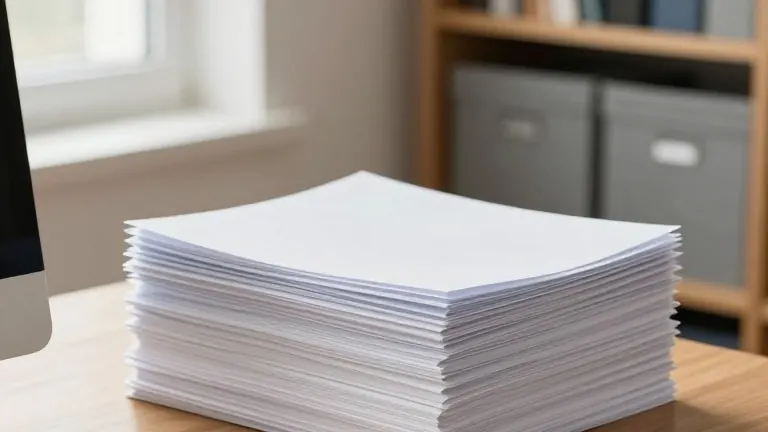
Households across the country struggle with accumulating paperwork, a challenge that professional organizer Kacy Paide has addressed for more than 20 years. Paide specializes in helping clients reduce paper clutter and establish sustainable filing systems.
Paide recommends starting the sorting process with the paperwork located nearest to the user, such as piles on a desk or dining table. She argues that documents requiring immediate action are typically found in these high-traffic areas. The first step is to divide all visible papers into two distinct piles: active documents that require follow-up, and inactive documents that do not.
Active items include bills that need payment or calls that need to be made. Inactive items encompass receipts, birth certificates, and sentimental objects like old greeting cards. Paide suggests placing a sticky note with a permanent marker on each active document to clearly state the deadline. She advises using specific dates, such as "due by Nov. 15," rather than vague terms like "urgent" to maintain clarity.
For long-term storage, Paide advocates for a filing system that is simple and easy to maintain. She recommends using standard file folders and labeling them with sticky notes and permanent markers. This method allows for easy reorganization if preferences change. Important items, such as passports and marriage certificates, should be stored in a brightly colored folder placed at the front or back of the file box for quick access.
Paide also addresses the disposal of unnecessary documents. She notes that while the Federal Trade Commission advises destroying items containing sensitive information like account numbers or Social Security numbers to prevent identity theft, individuals do not need to shred everything. She suggests asking whether a document would be needed in a specific circumstance before deciding to keep it.
The process should be manageable, with Paide suggesting sessions of 25 minutes at a time. She recommends involving a family member or friend when sorting sentimental items, such as old letters or divorce papers, to help make decisions. The goal is to create a visual filing system that is both functional and approachable, reducing the stress associated with document management.
Source: NPR
More Business · Watch Your Wallet · Report a business · Got a Story?