Genetically Engineered War Dogs Valued at $1.2 Billion
A new startup backed by major venture capital aims to clone military canines with enhanced physical traits and Anduril technology.
By Chiara Saeed ·
A newly unveiled defense startup, Warhound, has secured $200 million in funding to create genetically modified dogs for military and law enforcement use. The investment, which values the company at $1.2 billion, comes from prominent backers including Sequoia, 8VC, Corner Ventures, and In-Q-Tel, a venture firm supported by U.S. intelligence agencies. The launch marks a significant shift in how the United States procures working animals for dangerous operational environments.
The company addresses a critical gap in the current supply chain. Currently, more than 80 percent of the U.S. military's working dogs are imported from Europe, and fewer than half of those imports are deemed fit for service. This reliance on foreign sources leaves the nation vulnerable to supply shortages. Warhound intends to domesticate the production of these animals by engineering them for specific mission requirements, such as bomb detection and search operations.
Ben Lamm of Colossal Biosciences and Palmer Luckey of Anduril formed the partnership after meeting at a conference roughly a year ago. Lamm noted that traditional breeding often results in dogs with inherited health issues, including poor eyesight, cancer predispositions, and hip dysplasia. By using cell lines from top-performing breeds like the Belgian Malinois and German Shepherd, the team plans to edit genes to improve speed, agility, and olfactory sensitivity.
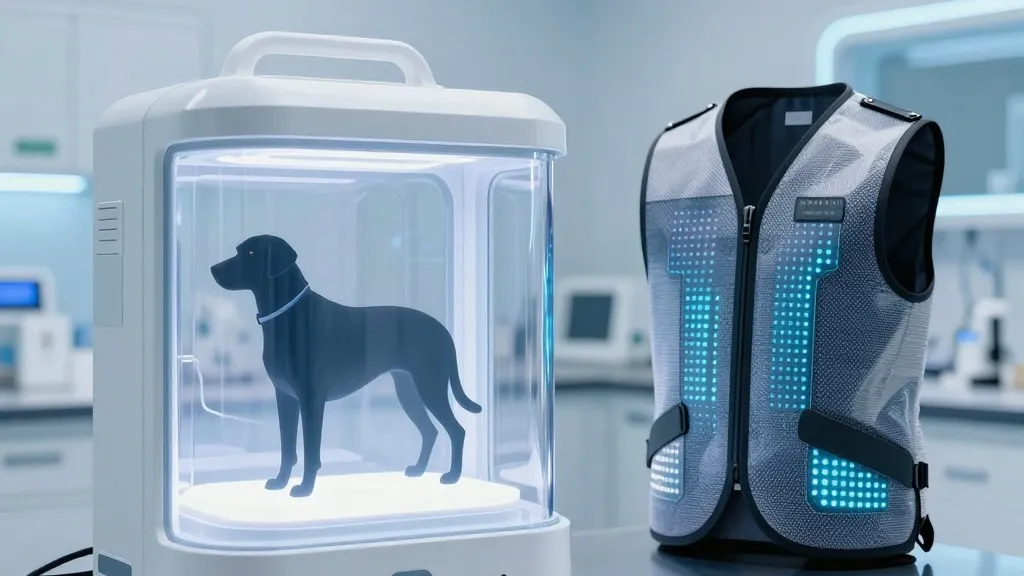
Anduril will supply the technological layer for these animals. Their hardware, which includes protective vests and goggles, will feature data sensors to provide handlers with better situational awareness. Lamm described this approach as enhancing the dog from the outside rather than altering its internal biology further. This combination aims to make the animals safer, healthier, and more effective in the line of duty, while also protecting their human handlers.
Lamm clarified that Luckey is a partner in the venture but holds no equity, while Colossal Biosciences owns a stake and licenses its gene-editing technology. The first batch of dogs is scheduled to be cloned and incubated soon, with births expected in early 2027. The company aims to have these animals in active service within two years. Viagen, another entity under the Colossal umbrella, will handle the cloning process using its high-success-rate technology.
Warhound has not yet determined pricing but expects to sell to the Department of Defense, police forces, and other first responder groups. The company has briefed various government bodies on its plans. To address welfare concerns, Warhound is working with the American Humane Society to certify its training program. The society stated it looks forward to ensuring the animals are treated humanely and that retired dogs may enter reunification programs.
The timeline for these enhanced canines suggests a rapid integration into national security operations. With births slated for early next year, the initial cohort will undergo standard military training before deployment. The project represents a convergence of biotechnology and defense hardware, aiming to reduce the physical toll on both the animals and the personnel who depend on them.
Source: TechCrunch · original report published