
Lunar Landing Logistics Hit a Wall: 22 Launches Now Estimated
New internal estimates suggest the Artemis program may require significantly more Starship flights than previously hoped, raising concerns about the timeline for returning humans to the Moon.
By Chiara Saeed ·
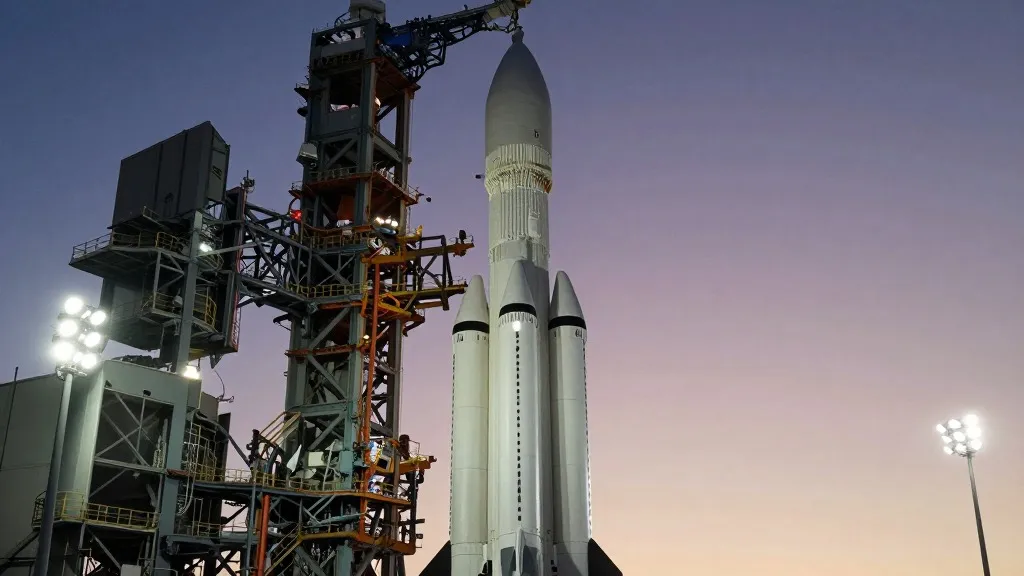
The quiet number that defines the success of the Artemis program has finally stopped hiding. For years, NASA has treated the specific count of rocket launches needed to fuel a lunar lander with a secrecy that borders on paranoia, guarding it as if it were a state secret. Now, that veil is lifting, and the reality is far more demanding than the agency’s public optimism might suggest. This shift in transparency comes at a critical moment for the space race, forcing a hard look at the logistical hurdles between Earth and the Moon.
The core issue revolves around the Starship vehicle, which is expected to serve as the primary means of transporting humans to the lunar surface. To make this work, a complex orbital refueling process is required in low-Earth orbit. A single Starship cannot carry enough propellant for the entire journey; instead, it must be loaded with liquid oxygen and methane from multiple other vehicles. The number of these 'tanker' flights required to fill one 'depot' vehicle has been a moving target, with previous estimates ranging from the high single digits to the high teens. However, the latest figures point to a much higher threshold, specifically twenty-two launches.
This new estimate emerges from concerns among NASA officials that the dramatic improvements in lift capacity they had hoped for from SpaceX may not arrive in time. The agency had envisioned a scenario where more powerful rockets would reduce the number of tanker flights, making the mission feasible within the current decade. That hope is now being tempered by the reality that the vehicle’s capabilities are not scaling fast enough. If the number of required launches remains high, the logistical complexity of coordinating dozens of flights in a short window becomes a significant risk factor for the overall program.
The discussion gained prominence during the quarterly meeting of the NASA Aerospace Safety Advisory Panel held this week. Panel member Charlie Precourt, a former NASA astronaut, spoke about the risks associated with the Artemis Program. His remarks highlighted the tension between the ambitious timeline and the physical constraints of the hardware. Precourt’s commentary underscores a broader anxiety within the agency: that the margin for error is shrinking as the launch cadence required for success increases. This is not just a numbers game; it is a test of operational reliability on a scale never before attempted in crewed spaceflight.
Contextualizing this development requires looking back at previous statements from NASA leadership. In 2023, Lisa Watson-Morgan, then-director of the Human Landing System, indicated the number was in the 'high single digits to the low double digits,' suggesting roughly a dozen launches. That figure implied a manageable, though still substantial, logistical effort. The jump to twenty-two represents a significant step up in complexity. It means SpaceX would need to execute a flawless sequence of launches, with minimal delays or failures, to keep the mission on track. Any disruption in this chain could ripple through the entire Artemis schedule.
The outlook for the program now hinges on whether SpaceX can accelerate its development pace to improve Starship’s payload capacity. If the vehicle becomes more efficient, the number of required tanker flights could drop back down, easing the logistical burden. However, if the current trajectory holds, NASA must plan for a much more intensive launch campaign. This shift in estimation marks a pivotal moment in the Artemis story, moving it from theoretical planning to concrete operational challenges. The agency now faces the task of convincing the public and its partners that this higher number of launches is not only possible but sustainable within the desired timeframe.
Source: Ars Technica · original report published