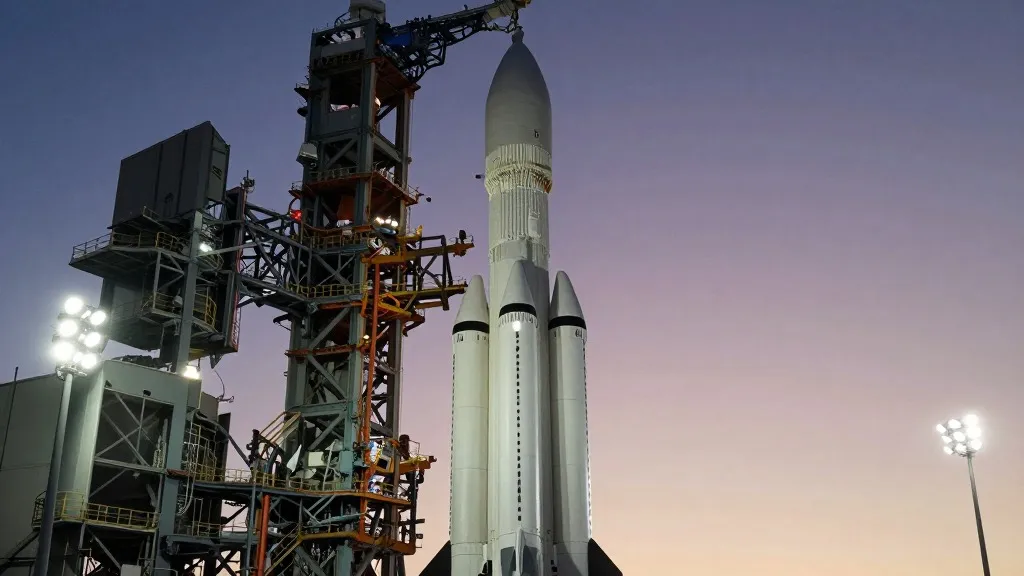
NASA confirms 2028 moon landing target with new docking strategy
The space agency revised its lunar architecture to simplify spacecraft rendezvous and maintain its ambitious timeline for crewed missions.
By Chiara Saeed ·
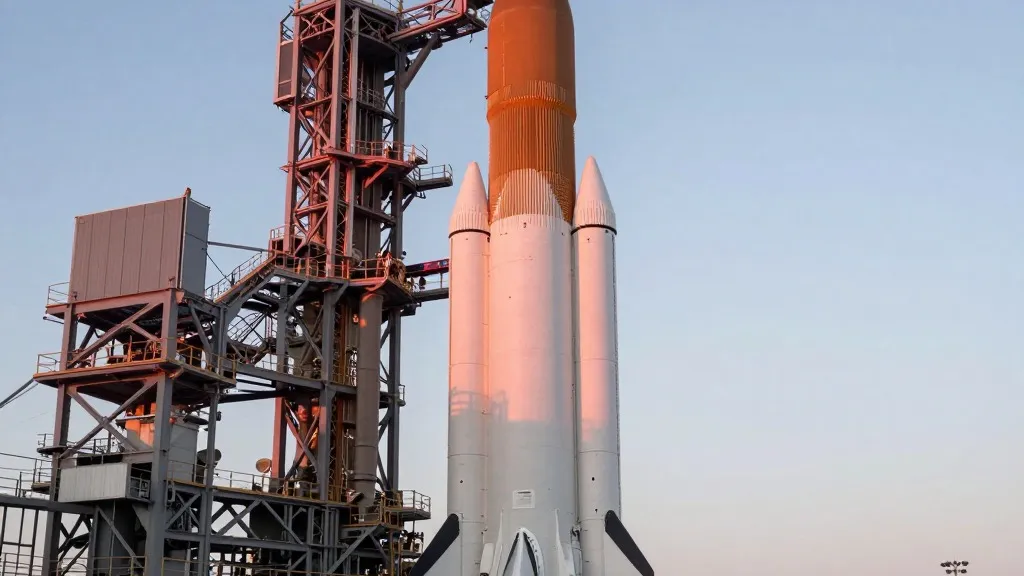
The year 2028 remains the central target for NASA’s next crewed lunar landing, a date the agency reaffirmed during a comprehensive briefing on Friday. This timeline anchors the Artemis Program’s most ambitious goal: returning humans to the Moon after decades. The update clarifies how the agency intends to bridge the gap between current capabilities and that specific launch window, offering a clearer picture of the operational steps required to achieve it.
A primary change involves the operational sequence for SpaceX’s Starship vehicle. Under the revised architecture, the Orion spacecraft will no longer travel all the way to the Moon to meet the lander. Instead, Orion will dock with the Starship lunar lander while both are in high Earth orbit. This shift simplifies the transit phase and reduces the complexity of the final approach to the lunar surface.
The plans for Blue Origin also underwent significant adjustments. The new mission design for this partner relies on four separate launches of the New Glenn rocket. Crucially, this configuration eliminates the need for in-space refueling between spacecraft. The architecture allows for the Blue Moon lander to rendezvous with Orion in low lunar orbit, providing a distinct pathway from the SpaceX option while still aiming for the same objective.
NASA officials stated that the Artemis III mission is still on track to launch in the summer of 2027. This mission will serve as a critical demonstration, involving docking maneuvers with both the Blue Moon and Starship landers in the vicinity of Earth. It is designed to validate the new docking procedures and communication protocols before the crewed lunar descent begins.
Administrator Jared Isaacman emphasized that the current trajectory is realistic and supported by adequate resources. He noted that the agency has the mandate and stakeholder backing necessary to execute these plans. His comments suggest a high level of confidence in the engineering teams and the revised timelines, despite the inherent risks of spaceflight.
The removal of certain complex requirements has eased the burden on contractor engineers. In early 2026, SpaceX engineers requested the elimination of the requirement to dock with Orion in a near-rectilinear halo orbit. This specific orbit was energy-intensive and presented technical challenges. The decision to cancel the Lunar Gateway earlier this year inadvertently resolved this issue for SpaceX, allowing for a more straightforward orbital mechanics profile.
This marks the first time NASA has detailed these architectural changes publicly, although some elements had been previously reported. The agency sought to address feedback from its lunar lander partners to accelerate their development processes. By clarifying the mission profiles, NASA aims to reduce uncertainty and allow contractors to finalize their hardware designs.
The outlook for the program now rests on the ability to hold these dates. The agency has taken a thorough review of every element of the Artemis Program to identify areas for improvement. The focus is on making changes that help the lander companies execute their plans efficiently. As the agency moves forward, the success of the 2028 landing will depend on the precise execution of these newly defined steps.
Source: Ars Technica · original report published