Microduck Robots: Jensen Huang's Viral Demo Drives 20,000 Preorders Ahead of Holiday Season
Hugging Face's adorable robotic ducks became a commercial phenomenon after Nvidia's CEO showcased their capabilities at GTC Berlin.
By Kwame Barrett ·
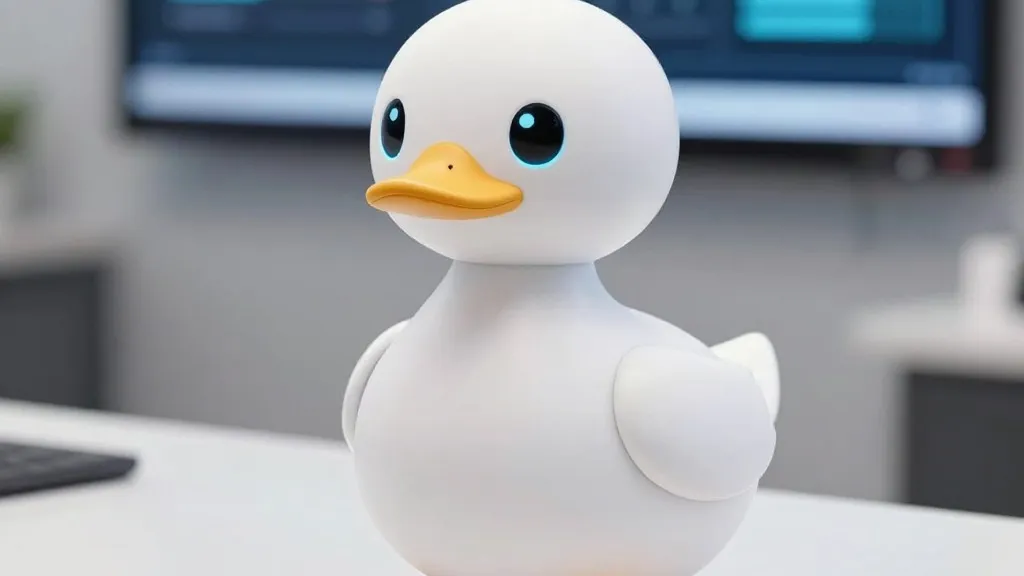
Nvidia CEO Jensen Huang recently captivated audiences at the GTC Berlin conference by interacting with a group of small, autonomous robots known as Microducks. During his keynote presentation, Huang engaged with the devices, which moved in a waddling fashion while emitting sounds reminiscent of the droid R2-D2 from the Star Wars franchise. The footage of this demonstration quickly gained widespread attention on social media platforms, turning the small robots into a major topic of conversation within the technology community.
The immediate market reaction to the viral video was substantial. Clem Delangue, the leader of Hugging Face, reported that preorders for the Microducks had exceeded 20,000 units within a single day of the presentation. Delangue suggested that these devices could become the best-selling robot of the year, noting that the promotional materials feature adults playing with the units alongside children. This indicates that the product may have broad appeal beyond the traditional toy demographic.
Consumers who have already placed orders can expect delivery before the Christmas holiday, positioning the Microducks as potential top sellers for the upcoming season. The devices are capable of performing various actions upon voice command, including sitting, standing, and performing somersaults. In the viral footage, the robots were also seen lying still in a manner that simulated a nap, adding to their charm and interactive appeal for users.
The Microducks are open source devices developed by Pollen Robotics. This company was acquired by Hugging Face in 2025, and since Nvidia purchased Hugging Face in September, the robots are now technically part of the Nvidia corporate portfolio. This is the second robot product released by Hugging Face, following the earlier launch of the Reachy Mini, which also received positive feedback for its design and functionality.
The technical foundation of the Microducks relies on Nvidia's technology stack. The robots were trained using simulations where they learned basic behaviors such as walking and balancing. Pollen Robotics states that owners will have the ability to train their specific units with new tricks and share those custom commands with the broader user community, enhancing the long-term value of the device.
The release of this lighthearted product arrives during a period when the artificial intelligence industry has been dealing with serious concerns. Earlier this week, AI involvement was cited as a factor in a series of cyberattacks, casting a darker shadow on the sector. The Microducks offer a contrasting image of technology that is accessible and fun, providing a welcome shift in tone for industry observers and consumers alike.
Source: TechCrunch · original report published