
Paz signs decree to unlock funds amid El Nino crisis
The new national emergency allows for rapid deployment of rescue teams as drought and floods strain resources across six departments.
By Chiara Saeed ·
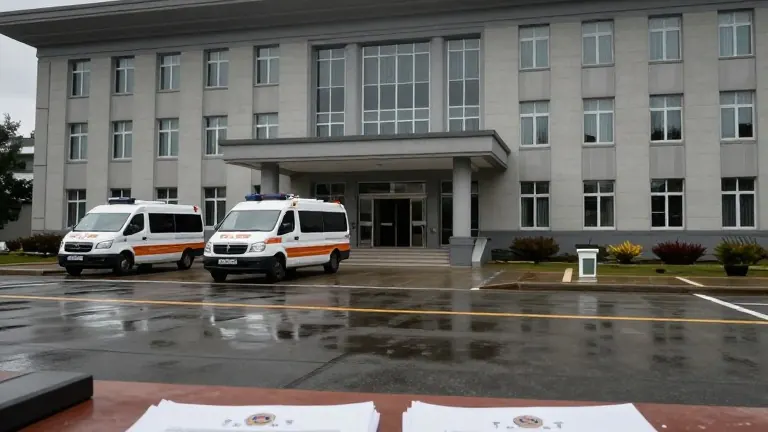
Bolivia has enacted a nationwide state of emergency to accelerate financial and logistical responses to extreme weather conditions.
President Rodrigo Paz signed the decree on Saturday. The order authorizes the immediate deployment of additional rescue teams to regions suffering from severe flooding and drought. The move aims to streamline access to resources that were previously tied up in standard bureaucratic processes.
A government report released this week quantifies the damage from the ongoing drought. The dry conditions have affected 78,000 families across six of the country’s nine departments. The agricultural sector has absorbed a heavy loss, with more than 75,000 cattle dying. Paz stated that the El Nino phenomenon will bring very severe impacts in terms of drought and floods. He added that Bolivia requires the cooperation of all institutions to manage the crisis.
The current weather pattern has caused instability across the region. In December 2025, floods in the Santa Cruz region killed dozens of people. Neighboring Chile recorded its rainiest October on record in Santiago, while wildfires in Peru killed at least 12 people last month. The World Meteorological Organization reported in early September that there is a nearly 100 percent likelihood El Nino will persist through February 2027.
Scientists estimate the global death toll from this cycle could exceed 450,000, with the poorest nations facing the highest risk. The current event is projected to be the strongest in recorded history. It is expected to peak at the end of 2026, with effects continuing into 2027.
Source: Al Jazeera
More Business · Watch Your Wallet · Report a business · Got a Story?