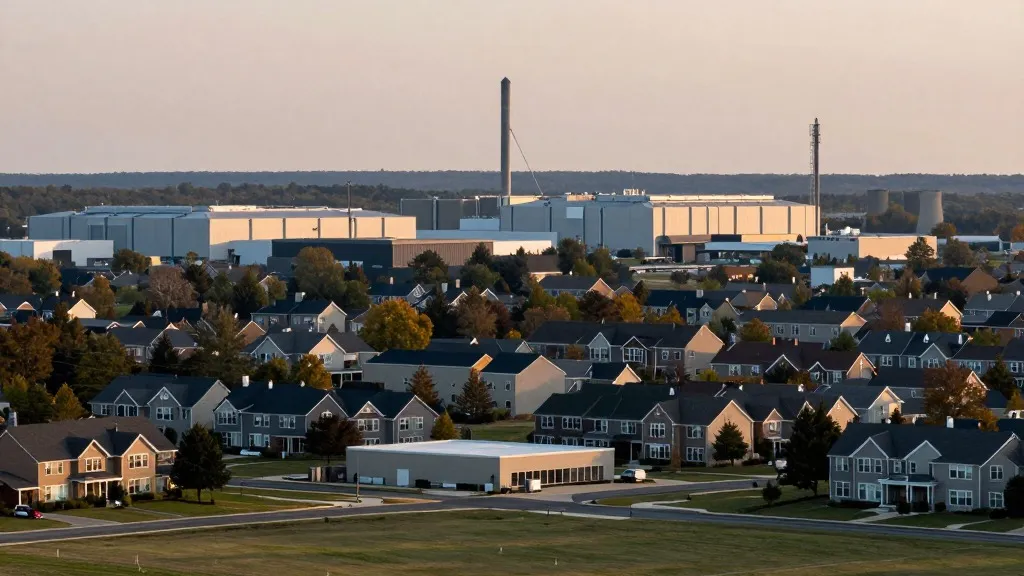
Trump's $0 Mandate: Data Centers Ordered to Share Energy Dividends
The administration is pushing AI hyperscalers to return excess power to local grids in a bid to quell rising utility bills and community resistance.
By Chiara Saeed ·
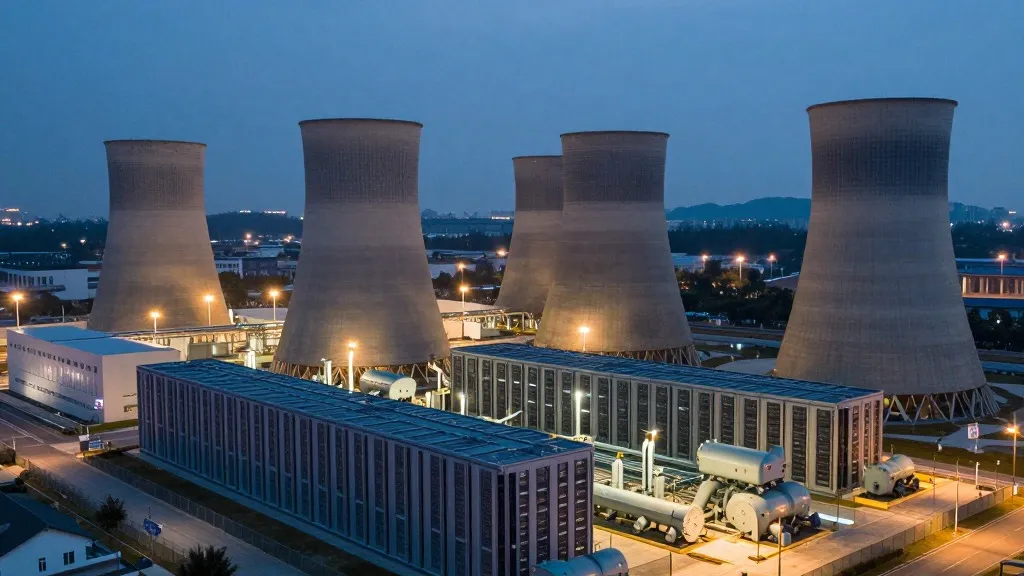
The cost of artificial intelligence infrastructure is finally starting to land on local balance sheets. President Donald Trump has issued a directive demanding that data center developers and AI hyperscalers pay a financial dividend to the communities where they operate.
The core of the proposal, outlined in a recent Truth Social post, requires these facilities to generate their own electricity and subsequently sell or give back any excess power to local grids. The administration argues that this mechanism will either prevent local electricity rates from climbing or actively drive them down. This initiative is a strategic move to make data centers more palatable to local populations, who have increasingly protested the outsized environmental and economic footprint of these facilities.
Local resistance has been driven by a combination of rising utility costs, noise pollution, water shortages, and air quality concerns. By mandating a direct energy contribution, the White House aims to win back favor while maintaining its aggressive push to outpace China in the global AI arms race. The administration has already ordered these companies to shoulder the costs of grid upgrades, a move designed to keep those expenses off local tax rolls. The new dividend strategy complements this by targeting the direct cost of electricity, a pain point that affects households in the immediate vicinity of these massive installations.
Trump emphasized the economic leverage of these projects, noting that data centers which were previously unpopular in certain areas become "extremely popular" once a financial deal is struck. He urged developers to "MAKE DEALS, and get them built!!!" signaling a clear preference for rapid expansion over prolonged negotiation. The administration views this financial arrangement as a critical tool for smoothing the path for new construction.
However, the mechanics of the mandate leave several questions open for investors and market analysts. The term "dividend" implies a payout from profits, yet new data center builds are typically capital-intensive and may not be profitable for years. It remains unclear how companies will calculate and distribute these payments if they are still recouping construction costs. Furthermore, the short-term power solution for many of these sites involves gas-powered generators, which are noisy and polluting. Critics question whether selling back this specific type of energy constitutes a net benefit for residents living nearby.
Beyond electricity, the mandate does not address other significant externalities such as enormous water consumption and ecological damage. These factors continue to make AI data centers a difficult sell in many regions, regardless of utility bill savings. The economic aspect is only one facet of a broader community relations problem. While the administration seeks to streamline approvals through these financial incentives, the practical outcome will depend on whether the dividends are substantial enough to offset the other operational burdens placed on local infrastructure.
For now, the policy serves as a gesture of goodwill rather than a fully defined regulatory framework. How these dividends will be valued, taxed, and distributed is yet to be determined. The market will be watching to see if this mandate actually accelerates project timelines or simply adds another layer of complexity to the capital expenditure plans of major tech firms.
Source: Tom's Hardware · original report published
More Business · Watch Your Wallet · Report a business · Got a Story?