74 percent: The population drop near Mission San Juan Capistrano
The 250th anniversary of the mission's refounding coincides with a review of the demographic collapse of the Acjachemen people.
By Enzo Almasi ·
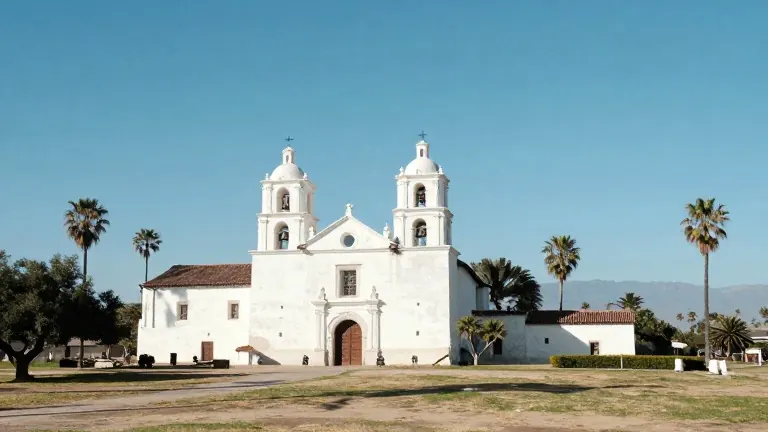
For residents of San Juan Capistrano and visitors arriving for the anniversary, the coming year marks the 250th year since the mission was reestablished. The celebration takes place on November 1, 2026. This date corresponds to All Saints Day in 1776, when Father Junípero Serra led a group to refound the site after an initial attempt in October 1775 failed. The original expedition, led by Father Lasuen, departed after a few weeks to assist in quelling the 1775 Kumeyaay Revolt in San Diego.
The demographic history of the region presents a stark contrast to the current tourist draw. Estimates indicate that approximately 65,000 Native Americans lived in the coastal zone of California in 1770. By 1830, that number had fallen to 17,000. This represents a 74 percent decline in the population over the course of the mission era. The Acjachemen Nation, also known by the Spanish name Juaneño, were the original inhabitants of the area.
Construction on the stone church began in 1796 and was finished in 1806. The structure endured for six years before an earthquake struck on December 8, 1812. The collapse killed 40 people, all of whom were Native Americans attending Mass. The Serra Chapel, dating from the 1780s, remains the only structure in California where Saint Serra is known to have celebrated Mass. Serra, born in Mallorca, Spain, served as the Father President of the Alta California Missions from 1769 until his death in 1784.
The mission's status changed repeatedly after the earthquake. Mexico won its independence from Spain in 1821, transforming Alta California into a Mexican territory. In 1845, Governor Pio Pico sold the mission at auction to John Forster, his brother-in-law. The Forster family operated the property as a private ranch for two decades. After California became a state in 1850, Bishop Joseph Alemany petitioned the U.S. government to return the lands to the Catholic Church. President Abraham Lincoln approved the transfer in 1865.
The physical appearance of the site has also changed. The gardens and ponds visible today were added during renovations that began in the 1910s. The town continues to host a parade in March to celebrate the return of the swallows, a tradition established in the early 1930s. While the event persists, the population of swallows celebrated in the town has decreased substantially from its historical levels.
Legal shifts further altered the mission's purpose. Spanish law in 1813 specified that mission lands would revert to Native hands. Mexican laws in 1833 and 1834 called for the transfer of missions from Franciscan control to parish churches. In practice, most mission lands passed to wealthy local residents. The Native Americans were largely removed from these properties or left without support. The Franciscan goal of educating Native Americans and integrating them into Spanish citizenship did not fully materialize after Mexico's independence in 1821.
Source: Daily Breeze