James Blake: 'Not a Single Part of the System Is Fake' in 2026 Music Industry
From AI deepfakes to bot-driven streams, artists and platforms are grappling with a surge of artificial authenticity markers this year.
By Enzo Almasi ·
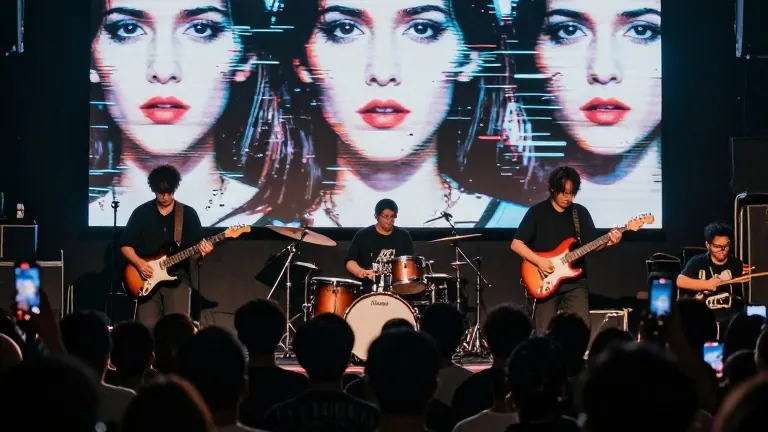
British producer James Blake declared that in 2026, there is not a single part of the music industry system that is not faked. His assessment follows a year marked by controversies over manufactured hype, artificial intelligence, and manipulated data. Blake posted the complaint on Instagram earlier this summer, arguing that album reviews, comment sections, and streaming numbers are increasingly manipulated for profit.
The debate gained traction after co-founders of digital marketing agency Chaotic Good Projects discussed their strategies at SXSW in March. They described creating fake fan accounts to boost artists on their roster. Indie musician Eliza McLamb later wrote about the irony of smaller bands benefiting from this machine. The story spread to WIRED, which titled an article about the band Geese 'The Fanfare Around the Band Geese is a Psyop.' Geese frontman Cameron Winter said the band was taken aback by the viral story. He told Rolling Stone that the band asked their label how long their fans had been fake. The label explained they hired Chaotic Good to repost clips and push algorithms, not to create bots.
Ticketmaster canceled thousands of Harry Styles tickets in April after identifying scalpers who used fake identities. Saumil Mehta, global president of Ticketmaster, wrote that the tickets would be resold to real fans at face value. This move followed an antitrust trial involving Ticketmaster and Live Nation. Producer Jack Antonoff responded to the news on X with the sarcastic question, 'you caught you?'
The Rolling Stones released the single 'In the Stars' this summer ahead of their album Foreign Tongues. The music video features deepfake versions of Mick Jagger, Keith Richards, and Ronnie Wood appearing as younger men. The AI startup Deep Voodoo, formed by Trey Parker and Matt Stone, created the deepfake visuals. Meanwhile, Deezer reported that AI-generated songs made up more than 50% of daily uploads in June. These songs accounted for less than 3% of total streams, and most of those streams were deemed fraudulent.
Spotify deleted more than half a million streams from Malcolm Todd's song 'Earrings' in June. The company determined that bots had manipulated the numbers after the song spiked by 70% overnight. A similar issue affected Gracie Abrams, who faced 'nepo baby' criticism during her press tour for her album Daughter From Hell. Abrams acknowledged the debate in a New York Times interview. She said her family safety net allowed her to experiment and concentrate on her music without financial fear. The album debuted at No. 1 on the Billboard 200 chart.
Mr. Fantasy, a TikTok electropop artist, feuded with actor KJ Apa over allegations of identity theft. Apa accused Mr. Fantasy of stealing his likeness, which he claimed cost him acting jobs. Mr. Fantasy later told Entertainment Tonight that they had talked it out. These incidents highlight a growing tension between generative AI, social media algorithms, and commercialization. Gen Z continues to prioritize live music, spending more on concert tickets despite online skepticism. Streaming services are implementing more safeguards around AI content as the year progresses.
Source: KPBS
More Business · Watch Your Wallet · Report a business · Got a Story?