Tesla Sets Year-End Deadline for Cybercab Customer Deliveries
Tesla engineers confirm that the steering-wheel-free robotaxi will begin reaching individual buyers before the end of 2026, though most units will remain part of a company-owned fleet.
By Enzo Almasi ·
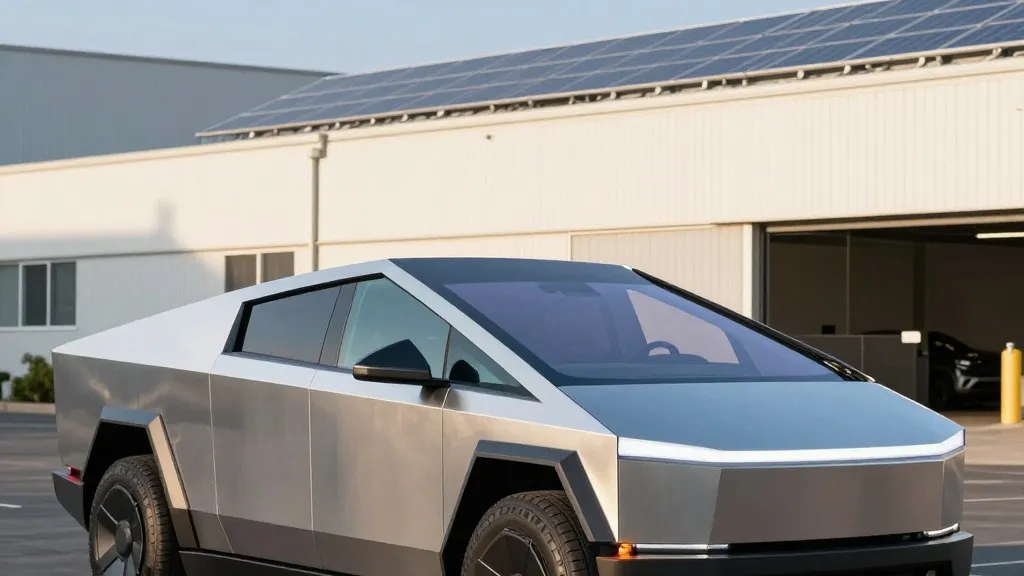
California drivers and tech enthusiasts can now stop speculating about when they might actually hold the keys, or rather the app login, to Tesla's most radical vehicle. The wait for the Cybercab, the two-seater robotaxi designed without a steering wheel or pedals, has an official end date in sight. Tesla has confirmed that units will begin reaching individual customers before the close of 2026, marking a significant shift from a purely corporate service to a product available for private acquisition.
The announcement came during Tesla’s third-quarter 2026 earnings call held on October 21. Lars Moravy, the Vice President of Engineering, provided the definitive timeline. He stated that the company is targeting the end of this year to start getting Cybercabs into the hands of customers. This confirmation resolves months of uncertainty regarding whether the fully autonomous vehicle would be available in the near term or remain a distant concept for private buyers.
Despite the positive news for potential buyers, the initial rollout will be modest. Moravy explained that production is currently active at the Gigafactory Texas. However, every unit rolling off that line right now is destined for Tesla’s internal Robotaxi fleet. The company is prioritizing its own operations before opening the gates to private ownership. This strategy allows Tesla to refine logistics, fleet management, and autonomous operation outside of direct corporate control.
Elon Musk, Tesla’s CEO, reinforced this limited approach to private sales. He described the Cybercab primarily as a "transport-as-a-service" offering rather than a traditional personal ownership vehicle like the Model 3, Model Y, or the upcoming Roadster. According to Musk, the vast majority of Cybercab units will remain Tesla-owned. This suggests that while private customers will have the option to buy, the core business model remains focused on providing rides rather than selling cars.
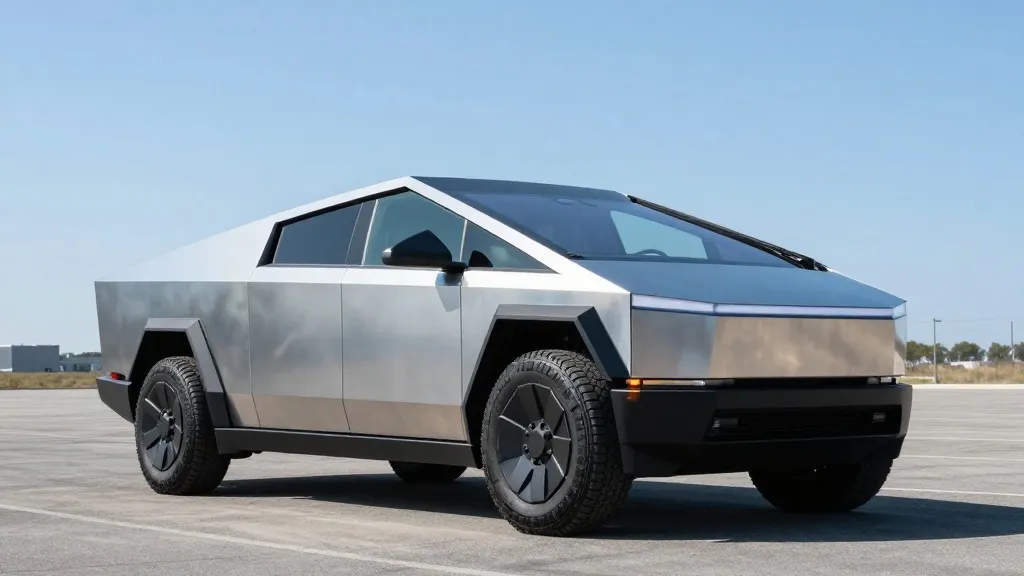
The Cybercab itself is a purpose-built machine that relies entirely on Tesla’s Full Self-Driving suite. It has been in production since February of this year. Early units have been integrated into Tesla’s Robotaxi service since early September, when the company began offering rides to the general public. The vehicle is designed for efficiency in shared mobility scenarios, featuring only two seats and no manual controls for driving.
Financial expectations for the vehicle have been previously outlined by Tesla. The company indicated that it aims to sell the Cybercab for approximately $30,000. This price point is significantly lower than many of Tesla's other models, aligning with the goal of making autonomous transportation accessible and affordable for a broader market. The lower cost structure is intended to support the high-volume fleet operations that will dominate the initial deployment phase.
Looking ahead, the broader adoption of autonomous technology continues to progress. Ashok Elluswamy, Tesla’s Head of AI, indicated during the same call that unsupervised Full Self-Driving is expected to ship to consumer cars during the second quarter of 2027. This update provides a roadmap for how the technology behind the Cybercab will eventually trickle down to other vehicles in Tesla’s lineup.
However, challenges remain for both early buyers and fleet operators. Regulatory agencies may lag behind the pace of technological deployment, potentially resulting in geographically restricted autonomous operation for some vehicles. As Tesla moves from internal testing to external customer deliveries, the company must navigate these regulatory hurdles. The coming months will be critical as Tesla scales its operations and determines how smoothly it can transition from a fleet operator to a retail seller of its most autonomous vehicle.
Source: Teslarati · original report published
More Business · Watch Your Wallet · Report a business · Got a Story?