Abdul El-Sayed wins Michigan Senate race, becoming first Muslim senator
The 42-year-old epidemiologist defeated former Representative Mike Rogers after overcoming a late endorsement switch and heavy Republican spending.
By Chiara Saeed ·
Abdul El-Sayed secured a victory in the Michigan Senate race on Wednesday, defeating Republican challenger Mike Rogers. The win makes the 42-year-old epidemiologist the first Muslim elected to the U.S. Senate. His path to the top of the ticket involved navigating intense partisan attacks and a sudden shift in support from a former primary rival.
El-Sayed had already won the Democratic primary in August, but the general election remained contested. A group linked to AIPAC spent more than $30 million during the primary cycle to help Representative Haley Stevens unseat El-Sayed. That group returned to Michigan in the final weeks of the general election. Stevens, who had promised to back El-Sayed after losing the primary, reversed her decision on Sunday. She attended church with Rogers before publicly endorsing the Republican.
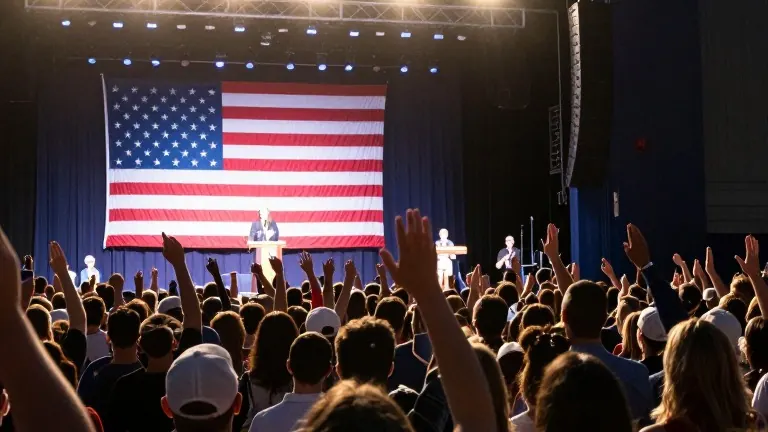
El-Sayed addressed the confusion among supporters early on Wednesday. He told the crowd, “They tried to confuse you, so let me just set the record straight. I love America.” He directed remarks at Rogers, who is 63. El-Sayed said, “So Mike, enjoy your retirement. See, you chose hate, and Michigan chose hope. May we never have to see the likes of you in this state again.”
The race extended a long trend in Michigan politics. Republicans have not won a Senate seat in the state since 1994. El-Sayed will succeed retiring Democratic Senator Gary Peters. His campaign focused on economic issues, using the slogan “Money out of politics, money in your pockets and Medicare for All.” Polling indicated this message resonated with voters who previously supported President Donald Trump.
Republican allies intensified their focus on El-Sayed’s views on Israel. Vice President JD Vance, who has had public disputes with the new senator, attempted to frame El-Sayed’s criticism of the Israeli government as religious bias. Rogers also accused El-Sayed of ties to the Muslim Brotherhood, an organization founded in Egypt in 1928. El-Sayed consistently denied the claim.
President Trump escalated his attacks on El-Sayed’s faith following the August primary. He called El-Sayed a “jihadist Muslim Brotherhood member” during a rally in Port Huron, Michigan, on October 25. Trump also led a crowd in Youngstown, Ohio, in a chant of “Deport! Deport!” El-Sayed responded to the President’s use of his middle name, Mohamed, at an event with Senator Bernie Sanders on the same day. He said, “That’ll be Sen. Mohamed to you, bro.”
Rogers struggled to distinguish his position from the President’s on key issues, including the war in Iran and tariffs. In an interview with NBC Nightly News this month, Rogers described himself as a “targeted and temporary tariff guy.” He expressed uncertainty about the Iran conflict, saying, “Well, we’ll find out. I don’t think so.”
El-Sayed’s alignment with progressive figures like Senator Bernie Sanders and Representative Alexandria Ocasio-Cortez remained a point of contention. His criticism of the Israeli government, which he accused of genocide, was a consistent theme throughout the campaign. Vice President Vance will be the official to swear El-Sayed into office.
Source: NBC News
More Politics · National news · Report a business · Got a Story?