Florida voters weigh $12 billion tax cut against public service losses
Amendment 3 would raise the homestead tax exemption to $250,000, a move critics say could strain budgets for emergency services and infrastructure.
By Kwame Barrett ·
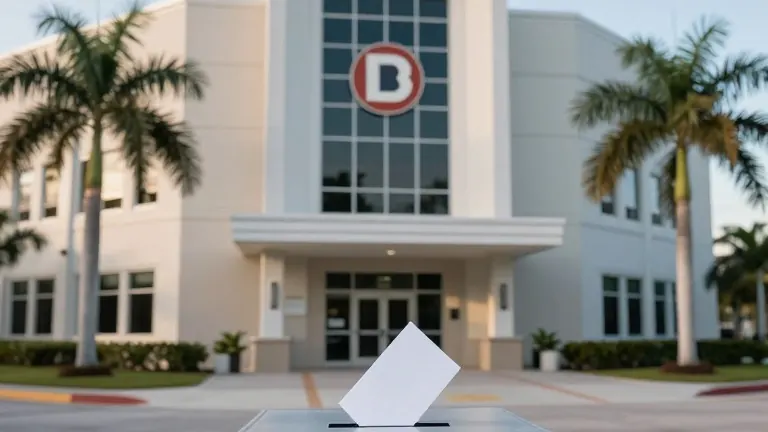
Florida residents face a direct choice on Election Day between expanding property tax exemptions and preserving local government revenue. Amendment 3, a ballot measure appearing on the November ballot, proposes increasing the homestead tax exemption from $50,000 to $250,000 over the next two years. The state’s Office of Economic and Demographic Research estimates this change would reduce local government revenue by nearly $12 billion on a recurring basis.
The amendment is supported by Governor Ron DeSantis and the Florida Realtors, who argue that property tax revenues have grown out of control. Margy Grant, CEO of Florida Realtors, stated that homeowners have funded a record increase in local government revenue. The association has spent $19.5 million on its 'Vote Yes on 3' campaign as of late October. Grant contended that the measure provides tax relief that stays in Floridian pockets rather than going to the government. Property tax collections in the state nearly doubled from $32 billion in 2019 to almost $60 billion in the last fiscal year, a trend experts attribute to a post-pandemic real estate boom.
Critics warn that the revenue loss will force cuts to public services. Steven Johnson, an organizer with the nonprofit Florida Rising, asked voters to consider who actually benefits from the measure. Johnson noted that many residents rely on local programs for support. Mike Weinstein, Jacksonville’s chief administrative officer, said the city’s $2 billion budget relies heavily on property taxes. He estimated that Jacksonville could lose up to $372 million over the next five years if the amendment passes. Weinstein said services such as mosquito control, road surfacing, libraries, and parks would be affected.
Public officials are divided on the impact of the cuts. The Florida Sheriffs Association warned that law enforcement would suffer, while proponents like Senator Rick Scott argued that local governments simply need to cut waste. Scott posted on social media that every county has waste to eliminate. Conversely, local leaders said non-emergency services like public transportation and homelessness prevention would face deeper cuts. Weinstein predicted the city might have to expand its complaints department to handle the volume of calls regarding unmet infrastructure needs.
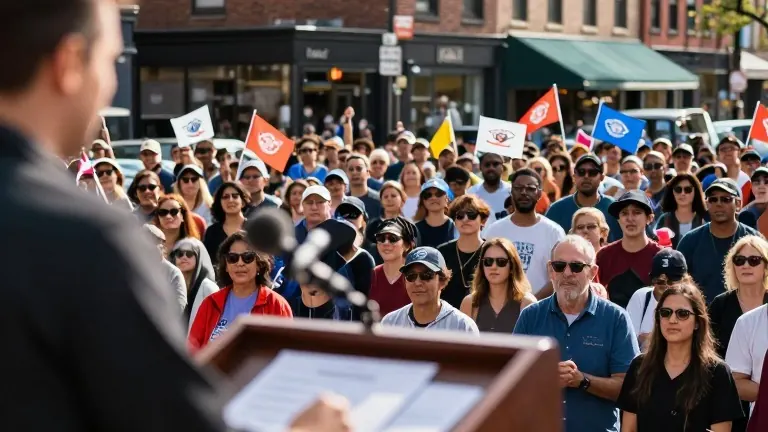
Voters are already hearing the arguments in person. Rachel Dues, a 54-year-old disabled veteran and notary in Jacksonville, has been volunteering for the 'no' side. Dues, who rents her home, said the amendment feels like a bait and switch. She told neighbors that the measure may lead to cuts in flood prevention and housing assistance. Maggie Fernandez, a 68-year-old homeowner, is also campaigning against the measure. Fernandez said she expects some tax relief but believes the loss of local services will hurt people worse off than herself. Volunteers with Florida Rising made nearly 1,500 calls in a single recent evening.
The amendment requires a supermajority of 60% of the vote to pass. Early voting is currently underway in the state. The measure limits which homeowners qualify for the increased exemption based on when they purchased their property. While the proposal aims to help homeowners stay in their homes, opponents argue that renters and business owners will bear the cost through reduced services or higher costs in other sectors. The outcome will determine whether local governments maintain their current revenue streams or face a multi-year fiscal adjustment.
Source: KPBS