Trump's Shadow Hangs Over California Midterm Vote as Rallies End
The president's low approval ratings and recent rally tour have shaped the midterm landscape, while California voters head to the polls in a key governor's race.
By Enzo Almasi ·
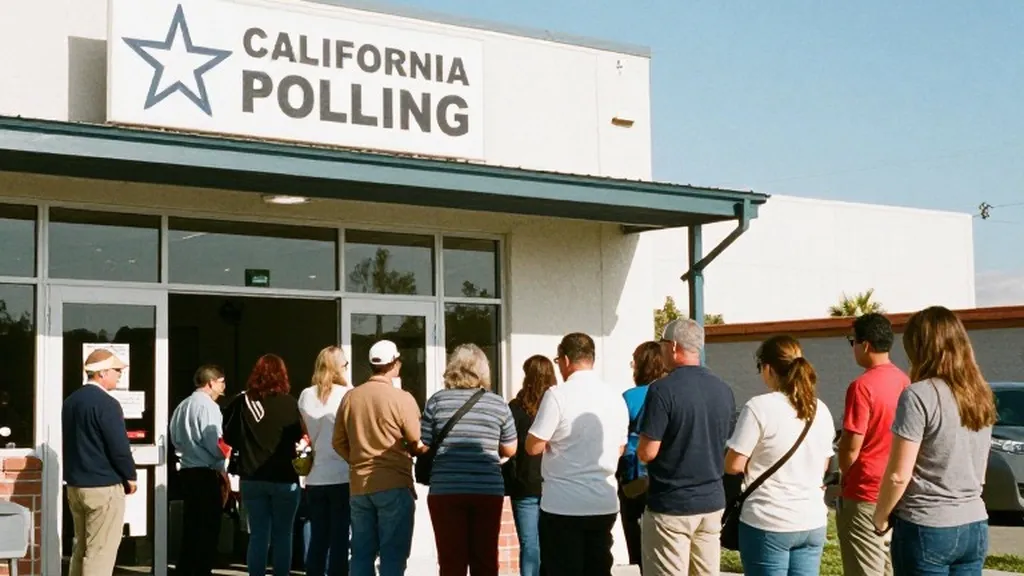
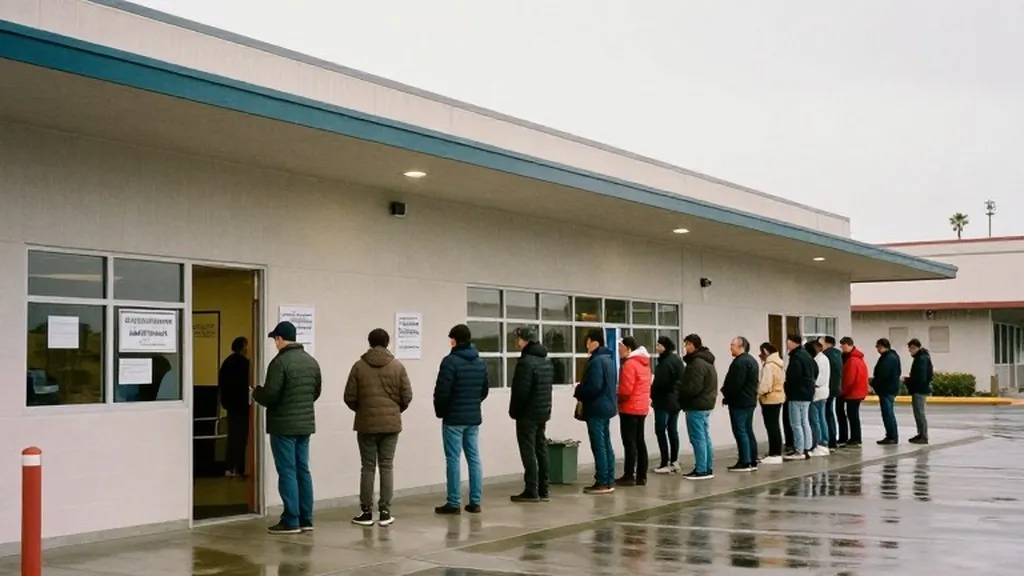
Voters across the United States are heading to the polls on Tuesday, November 3, to decide the balance of power in Congress during the final two years of President Donald Trump's second term. The Associated Press describes the election as a referendum on the president's performance, with many Americans expressing frustration over high prices and an unpopular war with Iran. In California, polls are open from 7 a.m. to 8 p.m., and the state is focused on an open seat for governor as well as the new congressional districts created by mid-decade redistricting. The outcome will determine which party controls the House and Senate for the remainder of the current term.
President Trump has been a central figure in the campaign, holding dozens of rallies to energize his base. His schedule included stops in Mississippi, South Carolina, and Texas, with his final rally before Election Day taking place in Salina, Kansas. At that event, he told supporters, "I really want you to pretend I'm on the ballot." Despite this active presence, many Republican candidates have kept their distance from the president, reflecting a broader trend of strategic separation during the midterm cycle. This dynamic has created a complex atmosphere where the president's approval numbers play a significant role in voter decision-making.
Recent polling by the AP and NORC indicates that 35% of U.S. adults approve of Trump's job performance, while only 25% approve of his handling of the economy. About seven in ten Americans say the country is heading in the wrong direction, and most blame the president for high prices. These statistics have fueled the narrative of a challenging environment for the president's party. Republicans are bracing for the possibility of losing the House, while Democrats are cautiously optimistic about their chances. The Associated Press notes that one or two seats could tip the balance in either chamber, making the turnout in key battlegrounds critical.
In California, the governor's race is particularly significant as the state uses new congressional maps. The Associated Press and Ballotpedia highlight that California is one of six states using new maps after redistricting, alongside Florida, Missouri, North Carolina, Tennessee, and Texas. The governor's race is an open seat, with no incumbent on the ballot. This follows a broader trend where 19 of the 36 governor races have no incumbent, either due to term limits or candidates choosing not to run. The Associated Press notes that Democrats hope to hold a majority of governorships for the first time in two decades, a goal that would require a net gain of two offices nationwide.
The president has also continued to make claims about voting fraud, including that noncitizens vote in large numbers. His administration has filed lawsuits in Alaska and California, and a federal judge temporarily barred the administration from carrying out a plan to prevent noncitizen voting on Monday. A judge also ordered the administration to stop demanding that California election officials segregate ballots cast by people on lists of suspected noncitizens. Critics argue that these actions risk disenfranchising eligible voters and infringe on states' authority over elections. Democrats fear that the Justice Department's threats to prosecute local election officials could lead to interference and intimidation on Election Day.
Financial dynamics have also played a role, with the 2026 elections likely to be the most expensive in history. Republican committees outraised and outspent Democratic committees, helped by Trump-affiliated groups and Elon Musk. However, at the candidate level, Democrats outraised their opponents. Analysis by the Associated Press of AdImpact data shows that 88.1% of Republican general election TV ad spending went to states and districts Trump won in 2024. This spending pattern reflects the Republican strategy to protect the president's strongholds while fighting to hold the Senate. The Associated Press notes that new districts in Florida and elsewhere may not vote as drawn, adding uncertainty to the final counts.
Quotes from party leaders and voters illustrate the divided mood of the electorate. RNC Chairman Joe Gruters stated, "Everything depends on turnout. If we turn out our voters, we win, and that's what we've been planning for." In contrast, DCCC Chair Rep. Suzan DelBene said, "The American people are angry. They want change." Voter sentiment is equally split, as seen in statements from Mark Barker of Palm Beach Gardens, Florida, who said he has been following Trump and thinks he is doing an awesome job. James Moore, a librarian in Raleigh, North Carolina, countered that he is paying more for taxes, healthcare, and everything else. These perspectives highlight the personal economic concerns driving the vote.
The stakes of the midterm election extend beyond simple party control. If Democrats win even one chamber, investigations and possible impeachment proceedings become likely. House Democratic Leader Hakeem Jeffries would be the first Black speaker and has outlined a 100-day agenda focused on the cost of living and oversight. A strong Democratic night would also boost potential 2028 candidates such as Gavin Newsom, JB Pritzker, and Pete Buttigieg. Conversely, a Republican hold would complicate the path for Vice President JD Vance. Republicans have tried to beat the traditional midterm pattern of the president's party losing seats through redistricting, but the effectiveness of these new maps is still being tested in states like California.
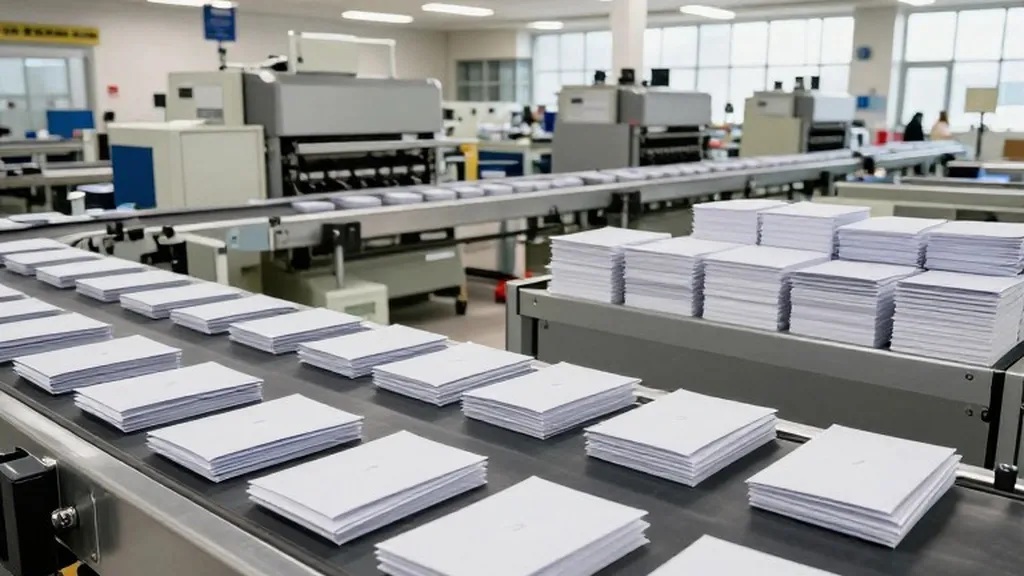
Election administration efforts have ramped up to ensure smooth operations. The U.S. Postal Service added hours, staff, and special lines to ensure mail ballots are counted on time. Wall Street is watching the results closely, as Reuters notes that outcomes could add to investor concerns about AI spending and debt ceiling negotiations. In California, the largely by-mail voting system requires careful management of deadlines and processing. The Associated Press reports that more than 57 million people had already voted as of Monday, surpassing early vote totals from four years ago in many closely watched states. This high volume of early voting underscores the intensity of the midterm contest.