California and Alaska: Courts Halt Federal Voting Rules Before Midterms
Federal judges blocked new measures regarding noncitizen ballots in two key states while the Postal Service expanded operations to ensure timely mail-in count processing.
By Kwame Barrett ·
Federal courts intervened on Election Day to pause two major voting initiatives by the Trump administration, creating a temporary legal reprieve for election officials in California and Alaska. A federal judge issued a temporary order on Monday to bar the administration from executing a plan designed to prevent noncitizen voting. This move has drawn significant attention from both parties as the nation prepares to cast ballots for the midterm elections.
The administration argued that the plan was necessary to protect the integrity of the electoral process. Critics, however, warned that the measures risked disenfranchising eligible voters and infringed upon the traditional authority of states to manage their own elections. The legal battles have become a central feature of the day, adding a layer of complexity to the administrative tasks of local election officials.
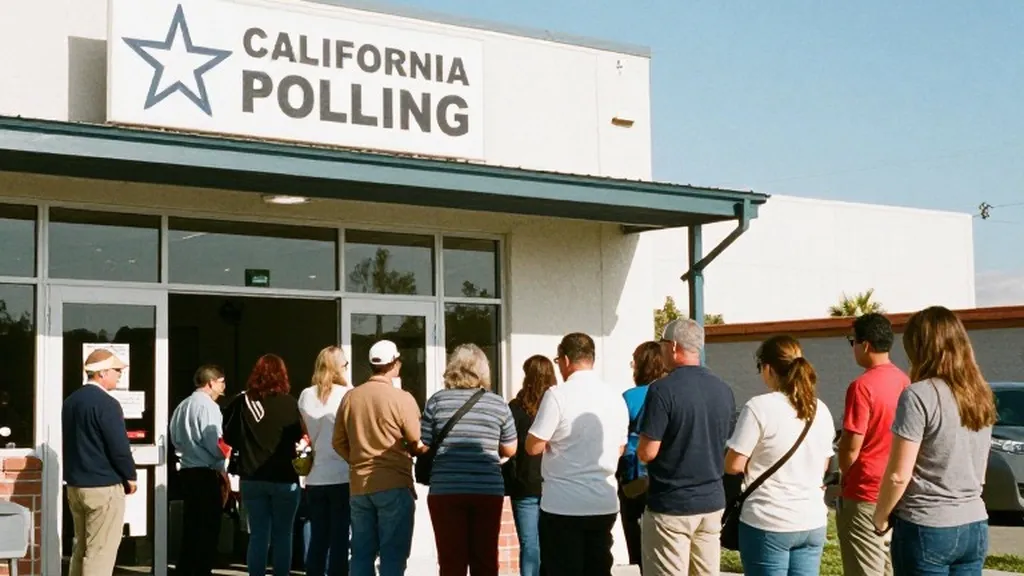
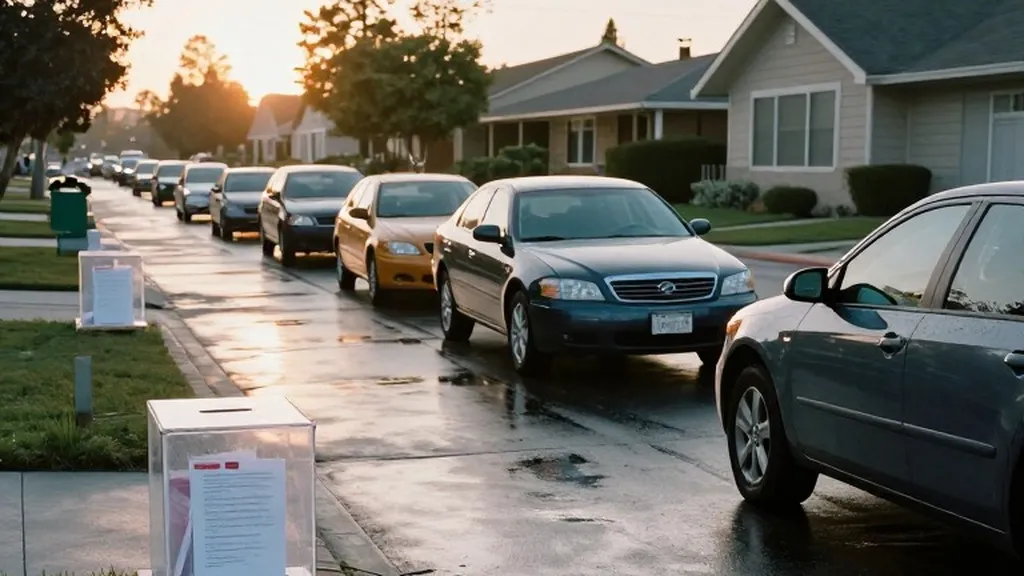
In California, a judge ordered the administration to stop demanding that state election officials segregate ballots cast by individuals on lists of suspected noncitizens. California polls are open from 7 a.m. to 8 p.m. local time, with the state relying largely on mail ballots. This ruling provides immediate relief to California officials who were preparing to implement the segregation requirement before the close of voting.
The situation in Alaska presents a similar legal challenge. The Trump administration filed a lawsuit related to the certification of the Senate result in that state. Alaska polls are also open from 7 a.m. to 8 p.m. local time. The state is considered a battleground for the U.S. Senate, with race ratings varying from toss-up to lean Democratic among major political trackers. The legal maneuvering in Alaska adds to the scrutiny on how the state will certify its results.
President Donald Trump has continued to make claims about voting fraud, including assertions that noncitizens vote in large numbers. His administration's legal actions have fueled concerns among Democrats about potential interference and intimidation. The Justice Department has threatened to prosecute local election officials, a development that has heightened tensions between the federal government and state election boards in both California and Alaska.
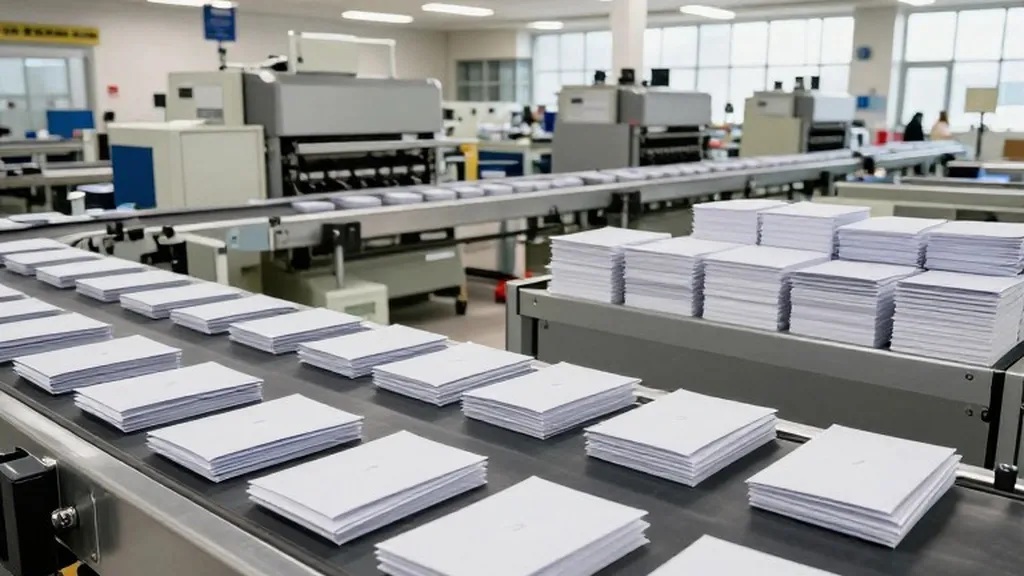
Simultaneously, the U.S. Postal Service has implemented additional measures to support the election. The agency added hours, staff, and special lines to ensure that mail ballots are counted on time. This logistical expansion is critical for states like California, where a significant portion of the electorate votes by mail. The Postal Service's actions aim to mitigate delays and ensure that all valid ballots are processed within the required timeframe.
The legal and administrative developments occur against the backdrop of a highly contested midterm election. Voters are deciding who will control Congress for the final two years of President Trump's second term. In the U.S. House, all 435 seats are up for election, with Republicans currently holding 218 seats and Democrats holding 214. In the Senate, 35 seats are in play, including regular elections and two special elections for the remaining terms of Marco Rubio and JD Vance.
Republican committees have outraised and outspent Democratic committees at the national level, aided by Trump-affiliated groups and significant contributions from Elon Musk. However, at the candidate level, Democrats have outraised their opponents. The financial dynamics of the campaign have played out against the legal uncertainties regarding voting procedures in key states like California and Alaska.
In California, the governor's race is an open seat, with no incumbent on the ballot. The state's new congressional map, resulting from mid-decade redistricting, adds another variable to the election. The map changes in California are part of a broader trend, with six other states also using new congressional maps after mid-decade redistricting. These changes may influence how votes are counted and how districts are represented in the new Congress.
The Postal Service's expanded operations and the court rulings have provided a degree of stability to the election administration process. While the legal battles continue, election officials in California and Alaska can proceed with their duties under the current court orders. The focus now shifts to the actual count of votes, with the Postal Service playing a vital role in ensuring that mail ballots are received and processed efficiently.
As polls close across the country, the attention of the nation turns to the counting of ballots. The legal decisions made on Monday and Tuesday will likely be closely monitored as results come in. The outcomes in California and Alaska will be particularly watched, given the recent legal interventions and the national significance of the seats up for election. The day's events underscore the ongoing tension between federal authority and state control over the electoral process.