Record spending and party split define 2026 money fight
California voters face an open governor race amid a historic spending surge where Republican committees outspent Democrats but candidates fared differently.
By Kwame Barrett ·
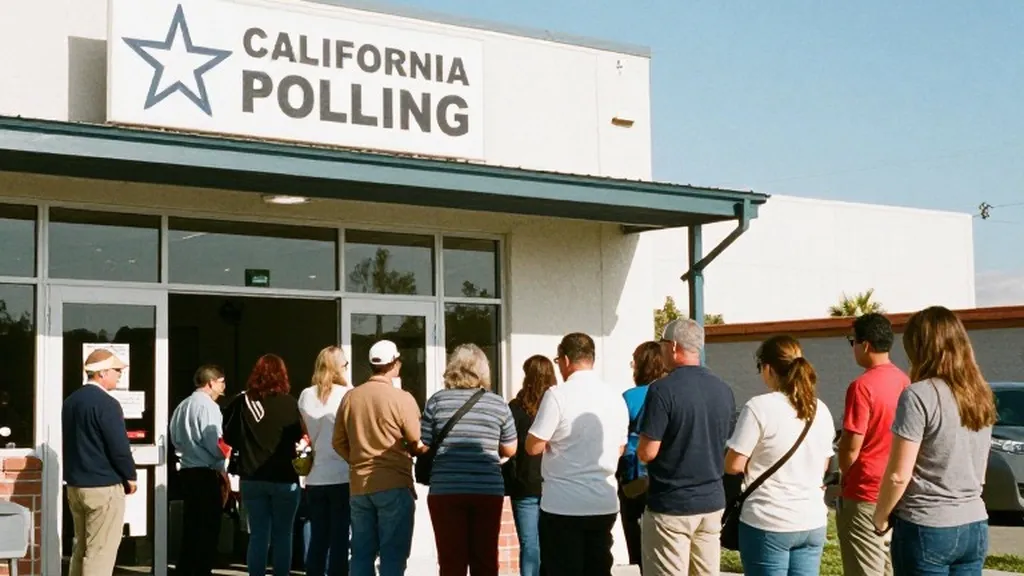
The 2026 midterm elections are shaping up to be the most expensive in history according to the Associated Press. This record-breaking financial effort is creating a complex landscape for voters in California and across the nation. In California, polls open at 7 a.m. and close at 8 p.m. local time. The state has an open seat for governor with no incumbent on the ballot. There is no U.S. Senate race in California this year.
A notable divergence exists in how money is flowing into this election. The Associated Press reports that Republican committees outraised and outspent Democratic committees. This advantage was bolstered by support from Trump affiliated groups and Elon Musk. However, the dynamic shifts when looking at individual candidates. At the candidate level, Democrats outraised their opponents. This split suggests that while party committees are dominating the overall spending landscape, individual Democratic campaigns are securing significant financial resources for their own efforts.
The allocation of these funds is highly strategic and geographically targeted. An analysis of AdImpact data by the Associated Press reveals that 88.1 percent of Republican general election TV ad spending went to states and districts that Donald Trump won in 2024. This includes more than $850 million spent in areas where he won by 10 points or more. This strategy aims to solidify support in friendly territories while potentially expanding the Republican base in key battlegrounds. The heavy investment in these specific regions reflects a calculated approach to maximizing the return on every dollar spent by the party committees.
In California, the open governor race is part of a broader national contest for executive power. Republicans currently hold 26 governor offices while Democrats hold 24. Of the 36 governorships on the ballot this year, each party holds 18. Democrats would need a net gain of two governorships to achieve a nationwide majority. This would be the first time they hold a majority of governorships in two decades. The race in California is particularly significant given the state's large electorate and its role in shaping national political trends. Voters in the state are weighing their choices in a context where the national balance of power is shifting.
The financial disparity between party committees and candidates has drawn attention from political observers. Republican National Committee Chairman Joe Gruters stated that everything depends on turnout. He noted that if the party turns out its voters, they will win. This sentiment was echoed by the Democratic Congressional Campaign Committee Chair Rep. Suzan DelBene. She said the American people are angry and want change. These quotes highlight the different strategic priorities of the two parties. Republicans are focusing on mobilizing their base, while Democrats are emphasizing the desire for a shift in direction. The money is being deployed to support these respective strategies in the most effective way possible.
The role of Elon Musk in the 2026 election cycle cannot be overlooked. His support has been a key factor in the Republican committee spending advantage. His involvement has added a new dimension to the funding of political campaigns. This influence extends beyond simple donations and includes the use of his platforms to amplify messages. The Associated Press notes that his support helped Republican committees outspend their Democratic counterparts. This dynamic is likely to influence voter perceptions and campaign strategies in the coming days. The integration of tech billionaire wealth into the political process is a defining feature of this election cycle.
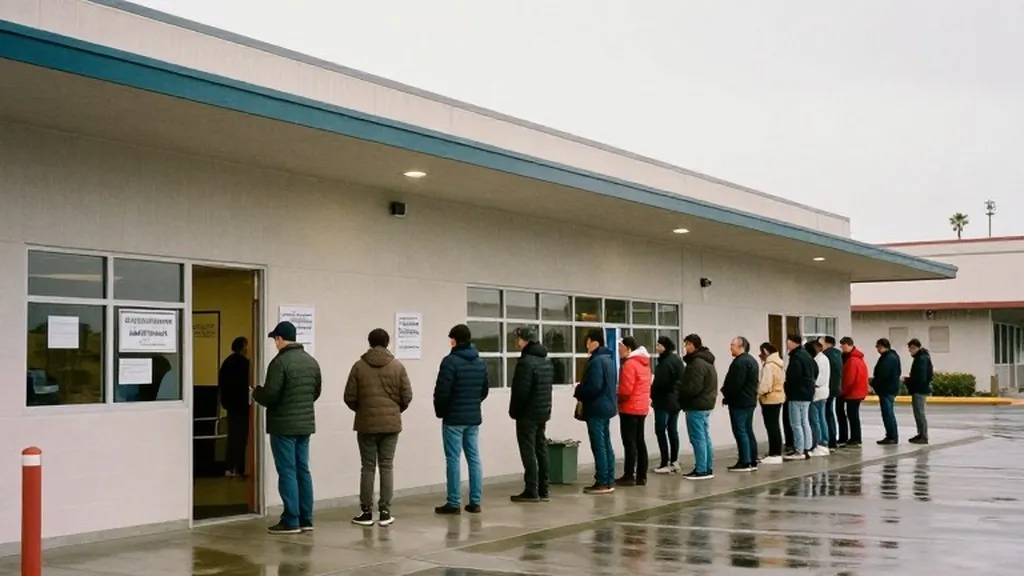
Voters in California and other states are casting their ballots in a state of high anticipation. More than 57 million people had already voted as of Monday, surpassing the early vote of four years ago in many closely watched states. This high level of early participation indicates strong interest in the election. The Associated Press describes the election as a referendum on the administration's second term. Voters are struggling with high prices and are angry over an unpopular war with Iran. These issues are at the forefront of many voters' minds as they decide how to vote. The financial resources deployed by both parties are aimed at addressing these concerns and persuading undecided voters.
The new congressional maps in six states, including California, are adding another layer of complexity to the election. These maps were created after mid-decade redistricting. The Associated Press notes that Republicans tried to beat the midterm pattern with these redistricting efforts. However, new districts in Florida and elsewhere may not vote as drawn. This uncertainty is a key factor in the current political landscape. The money being spent in these new districts is aimed at testing the viability of the new maps. The results of these races will provide valuable insights into the effectiveness of the redistricting efforts.
As polls close in California at 8 p.m., the focus will turn to the final tallies. The Associated Press says one or two seats could tip either chamber. This narrow margin of victory underscores the importance of every vote. The financial investment by both parties is a testament to the high stakes of this election. The split in spending between committees and candidates will be a key area of analysis in the coming days. The 2026 election is not just about who wins, but also about how the money was spent and what it achieved. The records set in spending and turnout will be studied by political scientists for years to come.
The election in California is a microcosm of the national trends. The open governor race and the new congressional maps are significant factors in the state's political future. The Associated Press notes that the results will decide who controls Congress for the final two years of the current term. This makes the election particularly important for both parties. The money being spent in California is part of a larger national effort to secure a majority in either chamber. The outcome of this election will have far-reaching implications for the direction of the country. Voters are making their choices with a clear understanding of the stakes involved.