Markets brace for midterms as AI costs and debt loom
Investors are watching Tuesday's vote in California and other states for signals on fiscal policy, trade, and the future of artificial intelligence investment.
By Chiara Saeed ·
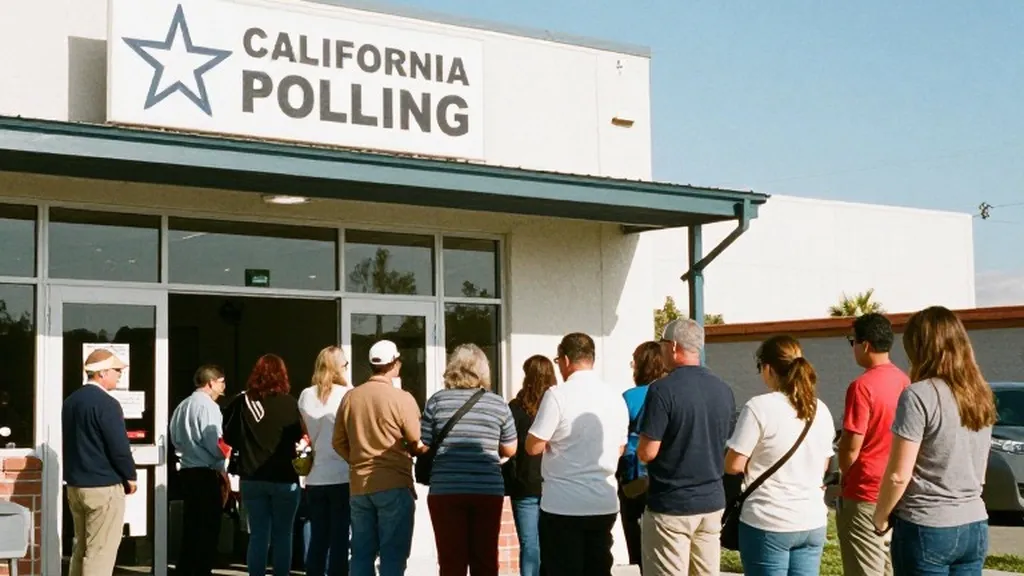
As polls open across the United States on Tuesday, November 3, 2026, the focus extends beyond the immediate control of Congress to the broader implications for global markets. According to Reuters, Wall Street is closely monitoring the midterm elections for clues regarding artificial intelligence spending and debt ceiling negotiations. In California, where polls are open from 7 a.m. to 8 p.m. local time, voters are deciding the outcome of an open governorship race and selecting representatives in districts that have undergone recent redistricting. The state's large electorate and its position as a hub for technology companies make its results particularly significant for investors tracking the sustainability of current corporate capital expenditures in the AI sector.
The Associated Press describes the election as a referendum on President Donald Trump's second term, with voters expressing frustration over high prices and an unpopular war with Iran. AP-NORC polling indicates that 35% of U.S. adults approve of the president's job performance, while only 25% approve of his handling of the economy. Approximately 7 in 10 respondents said the country is heading in the wrong direction. These sentiments suggest that voters may prioritize economic stability over other policy areas, a factor that could influence market confidence in the coming months. In California, the open governor race pits candidates against each other in a state where the new congressional map is also being tested by voters for the first time.
From a fiscal perspective, the outcome of the Senate race is critical for debt ceiling discussions. Republicans currently hold 53 seats in the Senate, while Democrats hold 45, plus two independents who caucus with Democrats. Democrats need a net gain of four seats to achieve a majority, while Republicans can afford to lose only two. Reuters notes that results could add to investor concerns about debt ceiling negotiations. A divided government or a unified Republican control could lead to different approaches on fiscal policy, impacting bond yields and stock valuations. In California, the absence of a Senate race means the state's influence on this chamber is less direct, but the governor's race remains a key indicator of the state's political leanings, which often correlate with national fiscal trends.
Trade policy and its impact on alliances are also on the minds of market watchers. The AP notes that economic strain and tariffs have made certain states competitive, such as Maine, where Senator Susan Collins faces Democratic former state Senate President Troy Jackson. While Maine is not California, the broader trade tensions highlighted by these races reflect a national mood that affects supply chains and corporate earnings. In California, the governor's race is an open seat, meaning the winner will have a clean slate to address state-level economic issues that may align with or diverge from federal trade strategies. Investors are keen to see if the state's leadership will continue to support or challenge federal trade positions.
Money in politics has reached historic levels, with the 2026 elections likely to be the most expensive in history. According to AP analysis of AdImpact data, 88.1% of Republican general election TV ad spending went to states and districts Trump won in 2024. This targeted spending reflects a strategy to consolidate support in key areas, including California's new districts. At the candidate level, however, Democrats outraised their Republican opponents. This dynamic suggests a competitive environment where both parties are investing heavily to influence the narrative around economic issues. In California, the high cost of the governor's race and the House races in the redistricted districts will likely involve significant spending on issues related to cost of living and technology regulation.
The administration's actions regarding voting procedures have added another layer of complexity for markets. A federal judge temporarily barred the Trump administration from a plan to prevent noncitizen voting, and another judge ordered the administration to stop demanding that California election officials segregate ballots cast by people on lists of suspected noncitizens. Critics argue these moves risk disenfranchising eligible voters, while proponents say they are ensuring election integrity. These legal battles could affect the speed and clarity of results, which in turn impacts how quickly markets react to the political outcomes. In California, where a large portion of the vote is cast by mail, these procedural issues are particularly relevant as the state prepares to count ballots.
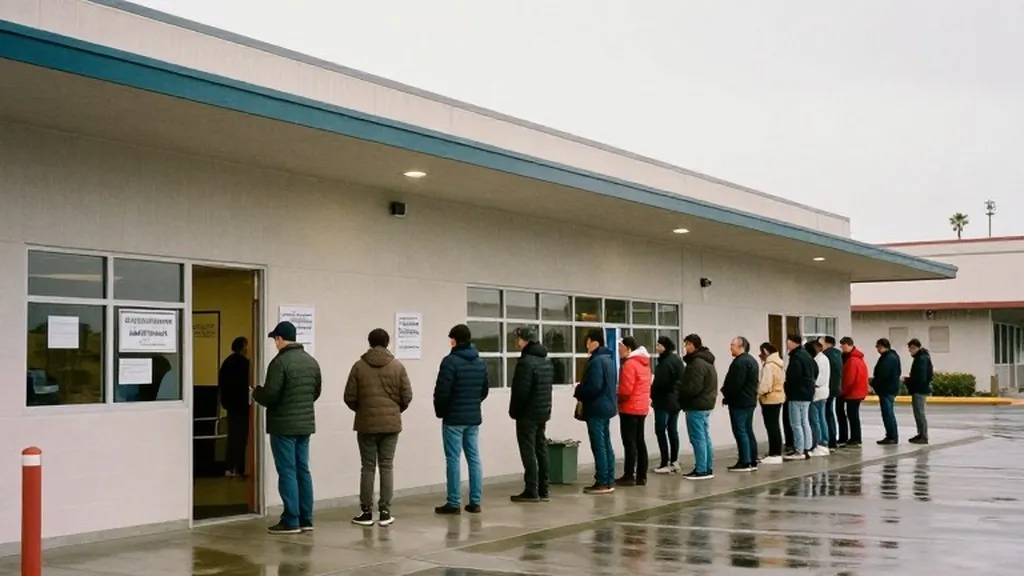
Voter turnout has already surpassed early vote totals from four years ago in many closely watched states, with more than 57 million people having voted as of Monday. This high level of participation indicates a strong interest in the election's outcome, which could lead to a more decisive mandate for the winner in each chamber. RNC Chairman Joe Gruters stated, "Everything depends on turnout. If we turn out our voters, we win, and that's what we've been planning for." DCCC Chair Rep. Suzan DelBene countered, "The American people are angry. They want change." These statements reflect the high stakes of the election and the potential for significant shifts in political power that could affect market stability.
In California, the open governorship race is a focal point for both parties. The state has not had a Senate race this cycle, but the governor's race will set the tone for state policy on issues like housing, infrastructure, and technology regulation. These issues are closely watched by investors in the tech sector, which is heavily concentrated in the state. The new congressional map in California, along with those in Florida, Missouri, North Carolina, Tennessee, and Texas, will also be tested by voters. The results in these states will provide insights into how redistricting has changed the political landscape and whether the new districts will behave as expected by those who drew them.