Governor races split evenly as 19 open seats reshape the map
With 18 governorships held by each party heading into Tuesday, nine battleground states and a wave of term limits define the midterms.
By Enzo Almasi ·
Voters across the United States are heading to the polls on Election Day, Tuesday, November 3, 2026, to decide the fate of 36 governorships. According to Ballotpedia, the races are entering the final stretch with an even division of power. Republicans currently hold 26 governor's offices nationwide, while Democrats hold 24. Of the specific offices on the ballot this year, each party holds exactly 18 seats, creating a balanced starting point for the midterms. This parity sets the stage for a closely watched contest that could shift the balance of state-level executive power.
The landscape of these races is significantly altered by the absence of incumbents. Ballotpedia reports that 19 of the 36 governor races have no sitting governor on the ballot. This high number of open seats is driven largely by term limits, which apply to 15 of the governors who are not running. In the remaining cases, choices by the governors themselves or primary results have cleared the field. Iowa Governor Kim Reynolds, Minnesota Governor Tim Walz, and Wisconsin Governor Tony Evers chose not to seek re-election. In Rhode Island, Governor Daniel McKee lost his primary challenge. These departures invite new candidates to define the party's message in states that have been governed by long-tenured leaders.
Democrats are looking to secure a net gain of two governorships to achieve a nationwide majority, a status they have not held since 2010. The Associated Press notes that Democrats are cautiously optimistic about their chances, particularly in states where they are defending their current leads. In Arizona, Katie Hobbs is running for re-election in a state that Donald Trump won in the 2024 presidential race. Similarly, Josh Shapiro is seeking another term in Pennsylvania, another state that voted for the president in 2024. Wisconsin Governor Tony Evers, who is not running, leaves a seat that Democrats are eager to defend against Republican challengers.
Republicans are bracing for potential losses in the House while fighting to maintain their grip on the governorships. In New Hampshire, Republican Governor Kelly Ayotte is running for re-election in a state that Kamala Harris won in 2024. Vermont Governor Phil Scott is also seeking another term in a state that leaned Democratic in the previous presidential election. The AP identifies several key matchups that will determine the outcome of the governor's mansion in these states. In Georgia, Republican health care executive Rick Jackson is challenging Democratic former Atlanta Mayor Keisha Lance Bottoms to succeed Brian Kemp. This race is part of a broader effort by Republicans to hold or expand their presence in the South.
Nevada presents another critical test for both parties. Republican Governor Joe Lombardo is facing Democratic Attorney General Aaron Ford in a race that the AP describes as competitive. The state has been a focal point for national campaigns due to its swing state status. In Ohio, the race features Republican Vivek Ramaswamy against Democrat Amy Acton. Ramaswamy's campaign has faced attention for an advertisement featuring Acton's estranged mother, a move that drew backlash from both sides. The AP also flags Texas, Florida, and Iowa as competitive governor races, highlighting the uncertainty that permeates the 2026 midterms.
The nine battleground states for governor, as identified by Ballotpedia, include Alaska, Arizona, Georgia, Iowa, Kansas, Michigan, Nevada, Ohio, and Wisconsin. In Michigan, the race is part of a broader contest for the state's executive branch, with voters also choosing a new senator. The AP notes that economic strain and tariffs have made several of these states more competitive than they were in previous cycles. Candidates from both parties are emphasizing their ability to manage state budgets and address the cost of living, a top concern for voters according to AP-NORC polling.
Polling data suggests that the mood among voters is one of anxiety regarding economic conditions. The AP reports that 35 percent of U.S. adults approve of President Trump's job performance, while 25 percent approve of his handling of the economy. About seven in ten adults say the country is heading in the wrong direction. Most of those who hold this view blame the president for high prices. This sentiment is driving voter turnout, with more than 57 million people having already voted as of Monday, surpassing early vote numbers from four years ago in many closely watched states.
RNC Chairman Joe Gruters emphasized the importance of turnout, stating, "Everything depends on turnout. If we turn out our voters, we win, and that's what we've been planning for." DCCC Chair Rep. Suzan DelBene countered that the American people are angry and want change. These quotes reflect the divergent strategies of the two parties as they mobilize their bases. The AP describes the election as a referendum on Trump's second term, with voters struggling with high prices and angry over an unpopular war with Iran. The outcome of the governor races will likely influence how state governments respond to federal policies in the coming years.
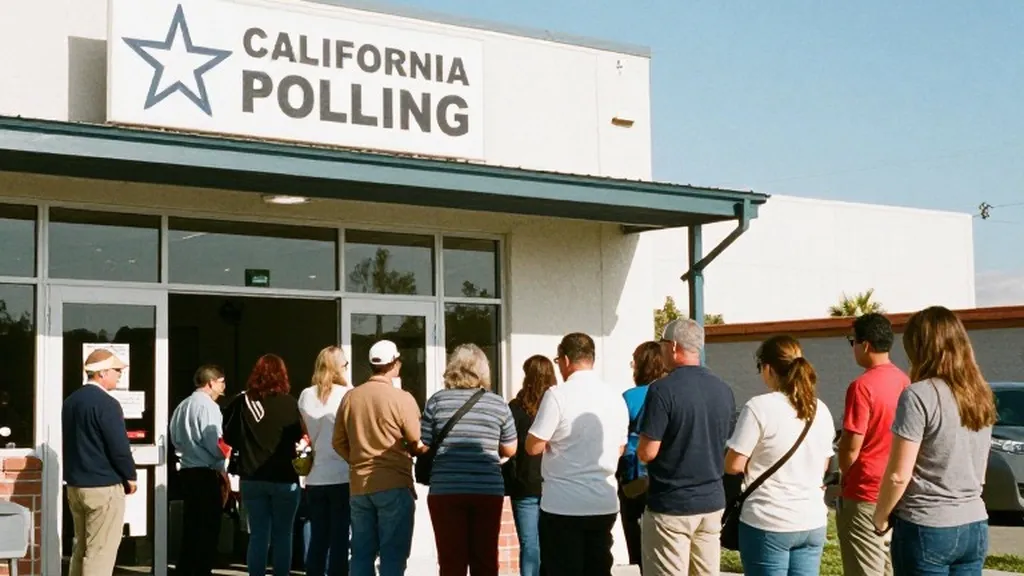
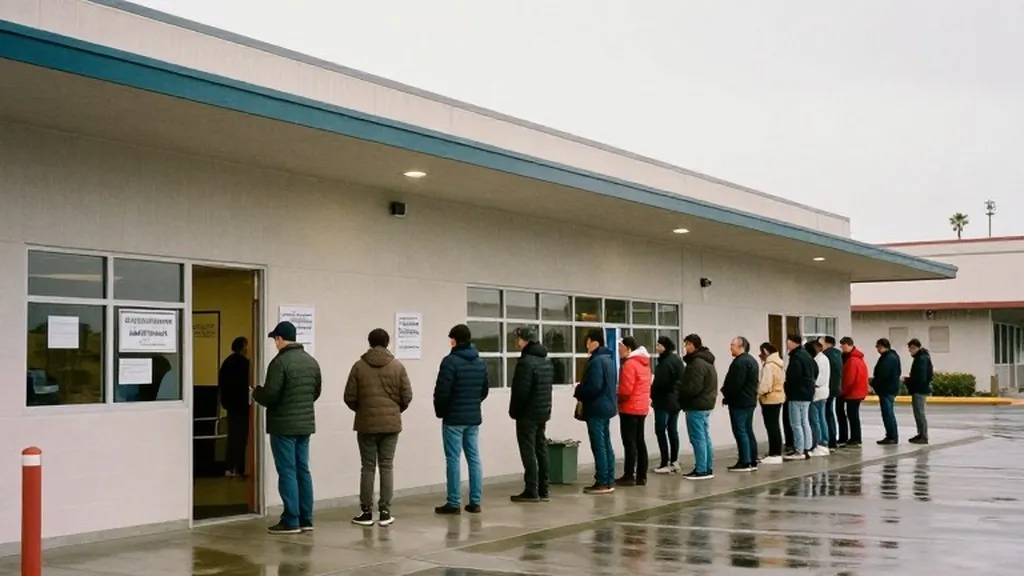
In California, polls are open from 7 a.m. to 8 p.m., and the state is largely voting by mail. The governor's race is an open seat, with no incumbent on the ballot. This adds to the number of open seats nationwide and provides an opportunity for new leadership in the nation's most populous state. The AP notes that the state has been a focus for both parties, with significant spending on advertising. The results from California will be closely watched as a bellwether for national trends, given the state's size and political influence.