Colorado ballot measures clash over $2 billion in new tax revenue
Four competing proposals test whether voters prefer a progressive income tax structure or a return of funds under the Taxpayer's Bill of Rights.
By Chiara Saeed ·

Colorado voters faced a binary choice on Tuesday regarding the state’s income tax structure, with two competing proposals offering opposite outcomes for state revenue and individual wallets. Amendment 87 and Proposition 136 stand in direct conflict over whether to maintain the current flat tax rate or shift to a progressive model.
Amendment 87 would replace the flat 4.4% income tax with higher rates for high earners and corporations. This change would direct an estimated $2 billion in additional annual revenue toward childcare and education. The measure was backed by progressive groups, including the Bell Policy Center, who argued that the current flat system is unfair given the state's recurring budget deficits.
Proposition 136, introduced by the conservative group Advance Colorado, seeks to preserve the existing flat tax rate. It serves as a direct countermeasure to Amendment 87. If both proposals pass, the outcome may require judicial intervention to determine precedence, although standard procedure typically favors the measure with the highest vote count. Amendment 87 includes constitutional changes, while Proposition 136 alters statutory law.
Voters also weighed two proposals tied to the Taxpayer's Bill of Rights, commonly known as TABOR. Proposition NN would allow the state to retain $500 million for public school funding that would otherwise be refunded to taxpayers. Proposition 137 would direct $175 million to conservation and wildfire prevention efforts, also diverting funds from the TABOR refund mechanism.
The state enters this vote with a projected $1 billion budget deficit for the next fiscal year. Lawmakers have cited surging Medicaid costs and rigid TABOR revenue limits as primary drivers of this shortfall. Proponents of Amendment 87 argued that the new revenue stream is necessary to address these structural financial constraints and reduce the frequency of state budget cuts.
Opponents of Amendment 87, including Governor Jared Polis and major business groups, warned that higher taxes could drive companies and wealthy individuals out of Colorado. They contended that the measure would worsen the state's business environment. In the final days of the campaign, Attorney General Phil Weiser, a likely gubernatorial candidate, also joined the opposition camp.
Campaign spending reached millions of dollars in the weeks before the election, with large sums flowing from conservative dark money groups opposed to Amendment 87. Some messaging from opponents regarding the measure's impact on Social Security and veterans' pensions was fact-checked and found to be inaccurate. These outside expenditures influenced voter perception during a crowded election cycle.
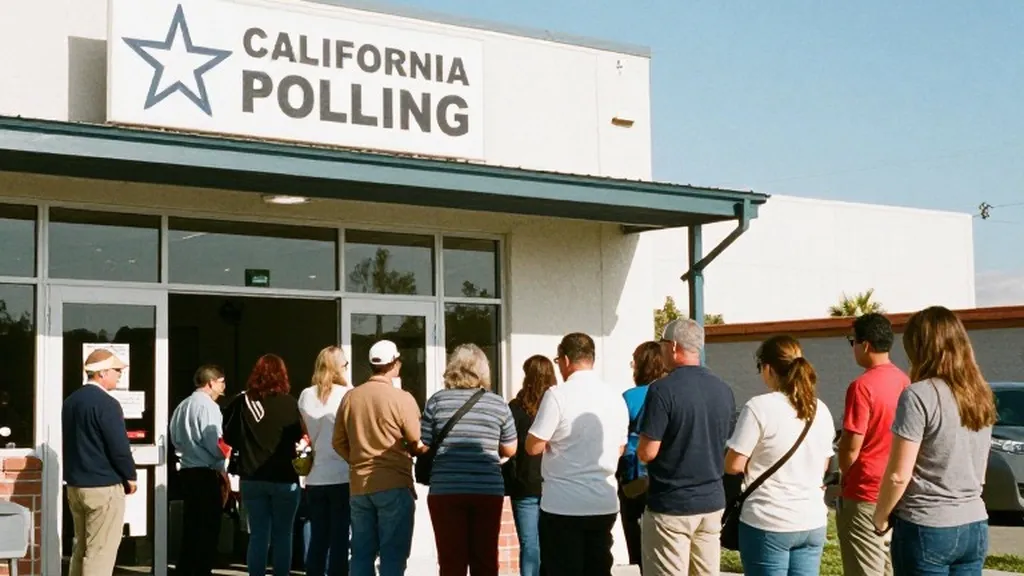
Polls closed at 7 p.m. on Tuesday, with preliminary results expected shortly thereafter. The outcome will determine if Colorado’s fiscal policy shifts toward progressive taxation or remains anchored in flat-rate principles. A failure for either Amendment 87 or Proposition NN would represent a setback for reformers seeking to change the state's tax code despite favorable political conditions.
Source: The Denver Post