Midterm polls point to GOP losses
Trump's approval stands at 37% as Democrats target Congress, while internal party divisions and questions about election integrity loom over Tuesday's vote.
By Chiara Saeed ·

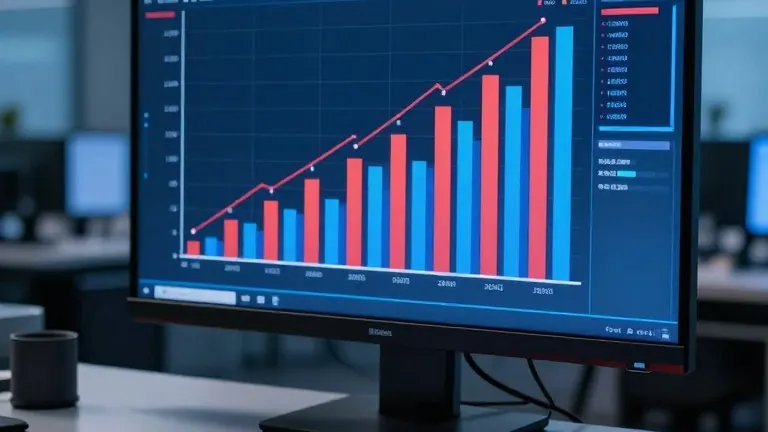
President Donald Trump is projected to see his party lose its narrow majority in the House of Representatives this Tuesday, according to polling data reviewed by political observers. The average of recent polls places his approval rating at 37%, a figure that has dropped from 52% in early 2025. Historical trends suggest that when an incumbent president's approval falls below 40%, their party typically suffers heavy defeats in midterm elections.
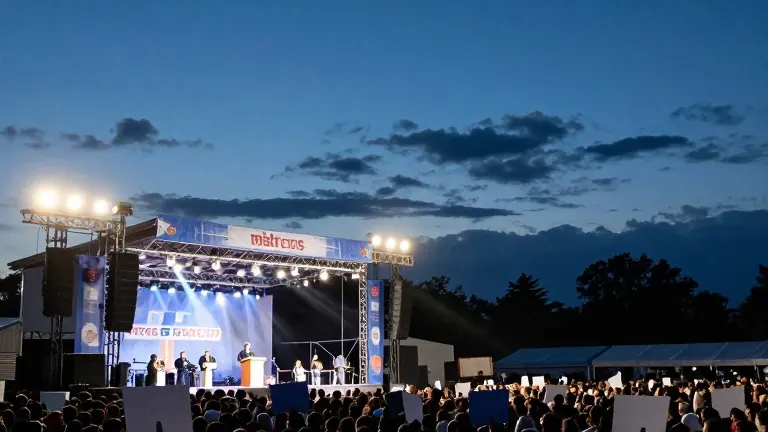
The electoral environment presents specific challenges for Republicans beyond the traditional midterm penalty. Polls indicate potential losses in swing states and red states where Trump previously won by double-digit margins. To counter this, the president focused his final weekend of campaigning on a "goal line stand" in the Senate, visiting Iowa and Kansas in person. These visits were briefly cancelled late in the pre-election week before being reinstated. He conducted remote rallies in 19 other states during the same period.
Iowa and Kansas represent difficult ground for the Republican Party. Trump won 31 Iowa counties that had supported Barack Obama in 2008 and 2012. Kansas, a historically Republican state, has not elected a Democrat to the Senate since 1932. The consensus among analysts is that the Senate race remains too close to call, with the possibility that the Republican Party retains control via the tie-breaking vote held by Vice President Vance.
Critics attribute the expected defeats to the personalization of the presidency. Trump has framed the election as a referendum on himself rather than the party. He has campaigned with the message, "Pretend I'm on the ballot." This strategy contrasts with his first term, when he adopted a more conventional executive role. He has presented himself as the architect of a new political era, a stance that has drawn objections from U.S. allies, Congress, and the federal judiciary.
Economic dissatisfaction appears to be a driving factor for voters. Trump promised to lower costs and tame inflation, but price increases for gas and everyday goods have continued. Foreign policy gaps, including unfulfilled promises regarding peace in Ukraine and a new era for Israel and Palestinians, have also been cited by Democrats. The anti-Trump movement has coalesced around the slogan "No Kings," a theme that has gained traction at rallies.
Democratic confidence may be tempered by the size of their potential wins. If they secure the House, their majority is expected to be modest. A narrow Senate majority would likely empower independent members who often buck party leadership. Internal party divisions persist, particularly between centrist consensus builders and left-wing firebrands. This year's congressional slate includes candidates associated with the Democratic Socialists of America, a group that has featured prominently in Republican campaign ads.
Political analyst Ruy Teixeira, formerly of the Center for American Progress and Brookings Institution and now at the American Enterprise Institute, has outlined challenges for the party. In an October publication, he listed 11 questions Democrats must address. The final question asks whether the party will prioritize the interests of white, non-college-educated voters over recent focuses on race, gender, and social policy. Teixeira is known for his work on the white working class, including his 2002 book with John Judis, The Emerging Democratic Majority.
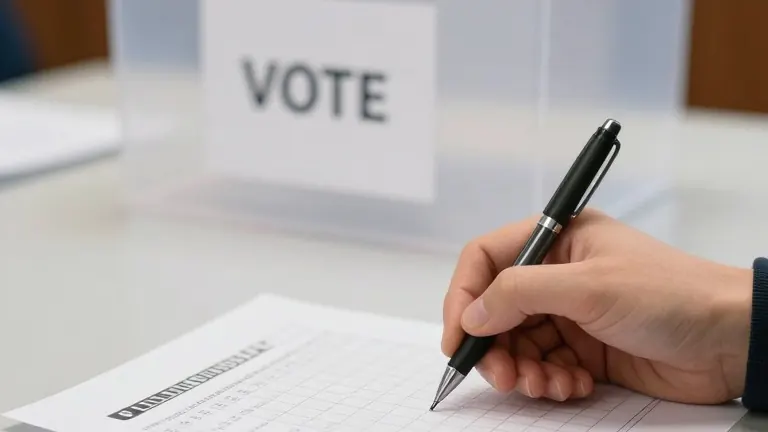
Beyond partisan outcomes, the election tests public confidence in the U.S. electoral system. Since the Help America Vote Act was enacted following the 2000 Florida vote-counting dispute, states have upgraded administration with touch-screen technology and paper trails. Nonpartisan experts generally defend the current state of election processes. However, Trump has repeatedly questioned the integrity of results without citing evidence, a pattern that dates back to his 2016 campaign and the January 6, 2021 protests. His administration has labeled polling and news reporting as "fake," setting the stage for potential disputes over the outcome this week.
Source: KUNM